
Agent A-Team or Solo Superhero? Finding the Right Real Estate Partner for Your Selling Journey in Wildwood Florida
When it comes to selling your home in Wildwood, Florida,…
January 29, 2024
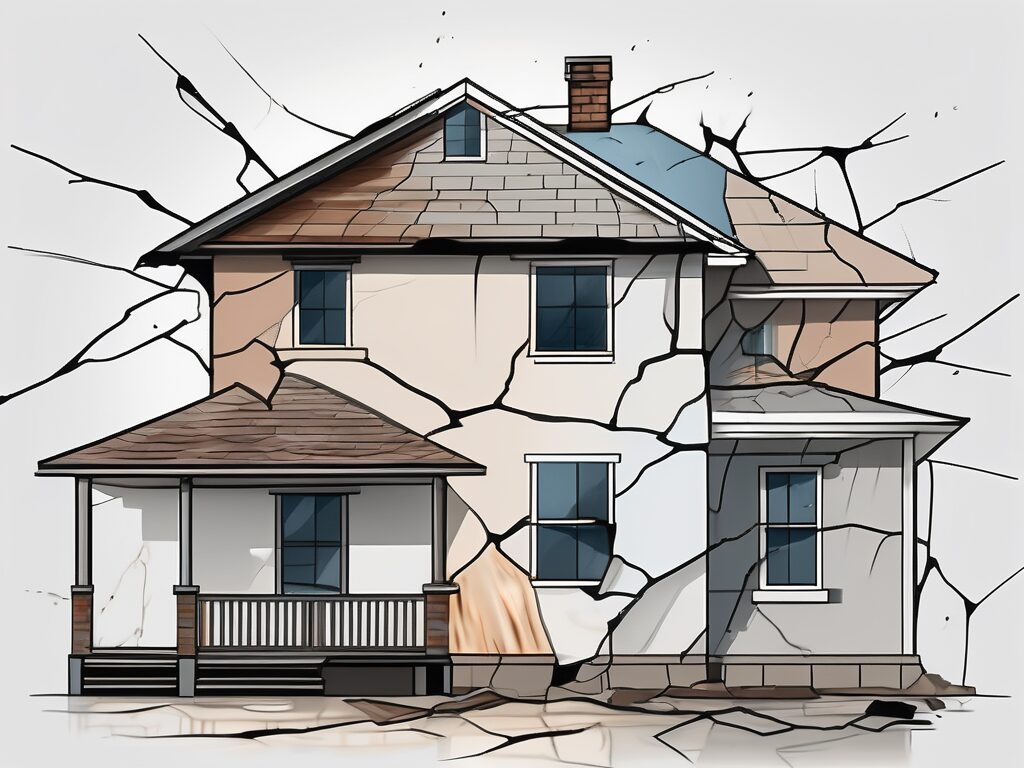
As a seller, it is essential to ensure that your home is in top condition before putting it on the market. One crucial step in this process is the home inspection, which can uncover hidden issues that need to be addressed. In this article, we will discuss the five must-fix repairs that sellers should consider after a home inspection. By prioritizing these repairs and understanding your financial responsibilities, you can navigate the negotiation process successfully and increase your chances of a successful sale.
After receiving the home inspection report, it’s crucial to review it thoroughly with your real estate agent. Together, you can identify the repairs that are necessary to address. Some repairs are minor and can be handled easily, while others may require professional help.
When it comes to selling your home, first impressions matter. Potential buyers want to envision themselves living in a safe and well-maintained space. By addressing essential repairs, you not only increase the appeal of your property but also demonstrate your commitment to providing a comfortable and secure living environment.
When deciding which repairs to focus on, it’s important to prioritize those that are safety-related or affect the structural integrity of the home. Issues such as electrical problems, plumbing leaks, or roof damage should be at the top of your list. These repairs not only ensure the safety of potential buyers but also demonstrate your commitment to maintaining the property.
Electrical problems can pose a significant safety risk. Faulty wiring or outdated electrical systems can lead to electrical shocks, fires, or even electrocution. By addressing these issues, you provide peace of mind to potential buyers and eliminate any potential hazards.
Plumbing leaks may seem like a minor inconvenience, but they can cause significant damage if left unattended. Water damage can lead to mold growth, structural issues, and costly repairs. By fixing plumbing leaks, you show potential buyers that you have taken care of the home and have prevented any potential water-related problems.
Roof damage is another critical repair that should not be overlooked. A damaged roof can lead to leaks, water damage, and even compromise the structural integrity of the entire property. By addressing roof issues, you not only protect potential buyers from future headaches but also demonstrate your commitment to maintaining the value and integrity of the home.
While all repairs are important, some can significantly impact your ability to sell the home. For example, a faulty HVAC system or a foundation issue can be deal-breakers for many buyers. By addressing these critical repairs, you increase the likelihood of attracting more potential buyers and receiving competitive offers.
An HVAC system is essential for providing comfort and maintaining a healthy indoor environment. A malfunctioning or outdated system can result in poor air quality, inconsistent temperatures, and high energy bills. By ensuring your HVAC system is in good working condition, you create a more appealing living environment for potential buyers.
A foundation issue is a red flag for many buyers. It can indicate significant structural problems that may require costly repairs. By addressing any foundation issues, you give potential buyers confidence in the stability and longevity of the home.
Remember, addressing essential repairs not only increases the marketability of your home but also helps you negotiate a better price. Buyers are more likely to make competitive offers when they see a well-maintained property that requires minimal immediate repairs.
Once you have identified the repairs that need to be addressed, it’s time to enter into negotiations with the buyer. Finding common ground is key to reaching a resolution that satisfies both parties.
Negotiating repairs can be a delicate process, as it involves balancing the buyer’s requests with your responsibilities as a seller. It’s important to approach this negotiation with a level-headed mindset and a willingness to find mutually beneficial solutions.
During the negotiation process, it’s essential to balance the buyer’s requests with your responsibilities as a seller. While you want to meet reasonable repair requests, you should also consider your financial limitations and the impact of repairs on your bottom line.
One way to approach this balance is by prioritizing repairs based on their significance and potential impact on the buyer’s experience. Focus on addressing issues that may affect the safety or functionality of the property, as these are typically the most important to buyers.
However, it’s also important to consider the buyer’s perspective and understand their concerns. Put yourself in their shoes and try to empathize with their desire for a home that is in good condition. This can help you find common ground and reach a resolution that satisfies both parties.
Effective communication and creativity are essential when negotiating repairs. Consider alternative solutions that may be more cost-effective while still addressing the buyer’s concerns.
For instance, offering a credit at closing can be a viable option. This allows the buyer to handle the repairs themselves after the purchase, giving them the flexibility to choose their preferred contractors and materials. It also relieves you of the financial burden and potential complications of arranging and overseeing the repairs.
Another option to consider is providing a home warranty. This can give the buyer peace of mind knowing that certain repairs or replacements will be covered for a specified period after the purchase. It shows your commitment to addressing any unforeseen issues that may arise and can be a cost-effective solution compared to completing the repairs upfront.
When presenting alternative solutions, it’s important to clearly communicate the benefits and potential drawbacks. Be open to discussions and negotiations, allowing the buyer to express their preferences and concerns. This collaborative approach can foster a sense of trust and cooperation, making it more likely to reach a resolution that satisfies both parties.
In conclusion, negotiating repairs requires finding common ground between the buyer’s requests and the seller’s responsibilities. By balancing these factors and exploring creative solutions, you can reach a resolution that satisfies both parties and keeps the deal moving forward smoothly.
One common concern for sellers during the repair negotiation process is understanding who covers the cost of repairs in a real estate transaction. It’s important to be aware of your financial responsibilities to avoid any surprises.
When it comes to determining who covers the cost of repairs in a real estate transaction, there is no one-size-fits-all answer. The responsibility for repairs can vary depending on the terms of the purchase agreement and local real estate laws. It’s crucial to familiarize yourself with the specific regulations and practices in your area to ensure you are well-informed.
In some cases, sellers may be responsible for all repairs. This means that if any issues are discovered during the inspection or appraisal process, the seller will need to address and fix them before the sale can proceed. This can include anything from minor cosmetic repairs to major structural issues.
On the other hand, there are situations where buyers may take on the cost of repairs. This could be the case if the buyer is purchasing the property “as is,” meaning they are willing to accept the property in its current condition without any repairs or concessions from the seller. In such instances, the buyer assumes the responsibility of addressing any repairs or issues that arise after the purchase.
Understanding your local market norms is essential in navigating the repair negotiation process. Real estate practices can vary significantly from one region to another, so it’s crucial to consult with your real estate agent to gain clarity on this matter. They can provide valuable insights and guidance based on their experience and knowledge of the local market.
When negotiating repair costs, it’s crucial to be mindful of your budget as a seller. Repair expenses can quickly add up, and it’s essential to assess the financial implications of accepting buyer requests. Prioritize repairs that are necessary for the safety and functionality of the property, as well as those that may affect the saleability of the home.
As a seller, it may be beneficial to obtain multiple repair estimates to present to the buyer. This not only promotes transparency but also demonstrates your commitment to finding a fair resolution. Having multiple estimates can also help you assess the reasonableness of the repair costs proposed by the buyer.
When presenting repair estimates to the buyer, it’s important to provide detailed information about the repairs needed and their associated costs. This will help the buyer understand the extent of the repairs and make an informed decision. Additionally, it’s advisable to work with reputable contractors or professionals who can provide accurate and reliable estimates.
Remember, negotiation is a key aspect of the repair process. Both parties should be open to discussing and finding a mutually agreeable solution. It’s important to approach the negotiation with a willingness to compromise and a focus on reaching a fair outcome for all parties involved.
Market conditions play a significant role in inspection negotiations. Understanding how market conditions can influence the repair requests can help you navigate the negotiation process more effectively.
When it comes to buying or selling a home, market conditions can greatly impact the outcome of inspection negotiations. The state of the real estate market can fluctuate between a seller’s market and a buyer’s market, and these conditions can have a direct influence on the repair requests that arise during the negotiation process.
In a seller’s market, where there is high demand and limited inventory, buyers may be more willing to accept minor issues and focus on major repairs. This is because in a competitive market, buyers may feel the need to compromise in order to secure a property. They may prioritize major repairs that could affect the structural integrity or safety of the home, while being more lenient with minor cosmetic issues.
On the other hand, in a buyer’s market, where there is an abundance of inventory and buyers have more options to choose from, buyers may be more demanding and expect sellers to address even minor issues. In this scenario, buyers have the upper hand and can be more selective in their choices. They may request repairs for every little flaw they come across, as they have the luxury of being more particular.
By understanding the current market conditions, you can tailor your negotiation strategy accordingly. If you find yourself in a seller’s market, you may have more leverage to push back on repair requests or negotiate the cost of repairs. Buyers may be more willing to accept a property with minor issues, allowing you to focus on addressing major repairs that could impact the overall value of the home.
Conversely, in a buyer’s market, you may need to be more accommodating to attract potential buyers. With an abundance of inventory available, buyers have more options and can easily move on to the next property if their repair requests are not met. In this situation, you may need to consider addressing even minor issues to make your property more appealing and competitive in the market.
Being aware of market conditions can give you an advantage during negotiations. By understanding whether you are in a seller’s market or a buyer’s market, you can adjust your expectations and approach accordingly.
If you are selling in a seller’s market, you may have more leverage to push back on repair requests or negotiate the cost of repairs. Buyers may be more willing to compromise and accept a property with minor issues, allowing you to focus on addressing major repairs that could impact the overall value of the home. This can potentially save you time and money in the negotiation process.
On the other hand, if you find yourself in a buyer’s market, you may need to be more accommodating to attract potential buyers. With an abundance of inventory available, buyers have more options and can easily move on to the next property if their repair requests are not met. In this situation, you may need to consider addressing even minor issues to make your property more appealing and competitive in the market. This may involve investing time and money into repairs that you may not have anticipated.
Your real estate agent can provide valuable insights into the current market conditions and guide your negotiation strategy. They have access to market data and trends, allowing them to assess whether you are in a seller’s market or a buyer’s market. With their expertise, they can help you navigate the negotiation process and make informed decisions that align with the current market conditions.
While sellers have the right to refuse repair requests, it’s essential to consider the potential consequences of this decision.
When it comes to selling a property, there are various factors that sellers need to take into account. One of the most crucial aspects is the condition of the property and any repairs that may be needed. While it may be tempting to reject repair requests, it is important to understand the potential implications that this decision can have.
Rejecting repair requests can expose sellers to potential legal risks, especially if the issues identified in the inspection report pose significant health or safety concerns. It is crucial to consult with a real estate attorney to understand your legal obligations and the potential ramifications of refusing repairs.
By refusing to address repair issues that may affect the safety or habitability of the property, sellers may find themselves facing legal action from buyers. This can result in costly litigation and potential financial losses. It is important to be aware of the legal responsibilities as a seller and to seek professional advice to ensure compliance with the law.
Refusing to make repairs can deter potential buyers and harm the overall perception of your property. Buyers are often looking for a home that is move-in ready and free from major issues. If repair requests are rejected, it may raise concerns about the overall condition and maintenance of the property.
Buyers may question the integrity of the home and be reluctant to proceed with the purchase. They may worry about hidden issues that have not been addressed and the potential costs they may incur in the future. This can significantly impact the sale of the property, leading to longer days on the market and potentially resulting in a lower sale price.
Furthermore, refusing repairs can also affect the reputation of the seller. Word-of-mouth travels fast in the real estate market, and if potential buyers hear about a seller who refuses to make necessary repairs, it may deter them from considering any future properties listed by that seller.
Considering the long-term impact of refusing repairs is crucial when making this decision. It is important to weigh the potential consequences against the cost of repairs and the impact it may have on the overall sale of the property.
Selling your property “as is” means that you are not willing to make any repairs or address any issues identified in the inspection report.
There are pros and cons to selling “as is.” On one hand, it can save you time and money by avoiding repair negotiations and costly repairs. On the other hand, it may limit your pool of potential buyers and result in a lower sale price. Carefully consider your priorities and consult with your real estate agent to determine if selling “as is” is the best strategy for your situation.
In conclusion, navigating the repair process after a home inspection is an integral part of selling your home. By prioritizing essential repairs, negotiating effectively, understanding your financial responsibilities, and considering the impact of market conditions, you can successfully address repair requests and increase your chances of a successful sale. Remember to consult with your real estate agent, who can provide valuable guidance throughout the process. Good luck!

If you want the Richr team to help you save thousands on your home just book a call.
 Book a call
All information provided is deemed reliable but is not guaranteed and should be independently verified. You should consult your own professionals for financial, legal, or tax advice and conduct your own due diligence. Brokerage services are provided by Richr Homes, FL License # 1060165. Services of Richr's affiliates, Richr Insurance and Richr Title, are optional and can be used in combination or separately.