Agent A-Team or Solo Superhero? Finding the Right Real Estate Partner for Your Selling Journey in Wildwood Florida
When it comes to selling your home in Wildwood, Florida,…
January 29, 2024
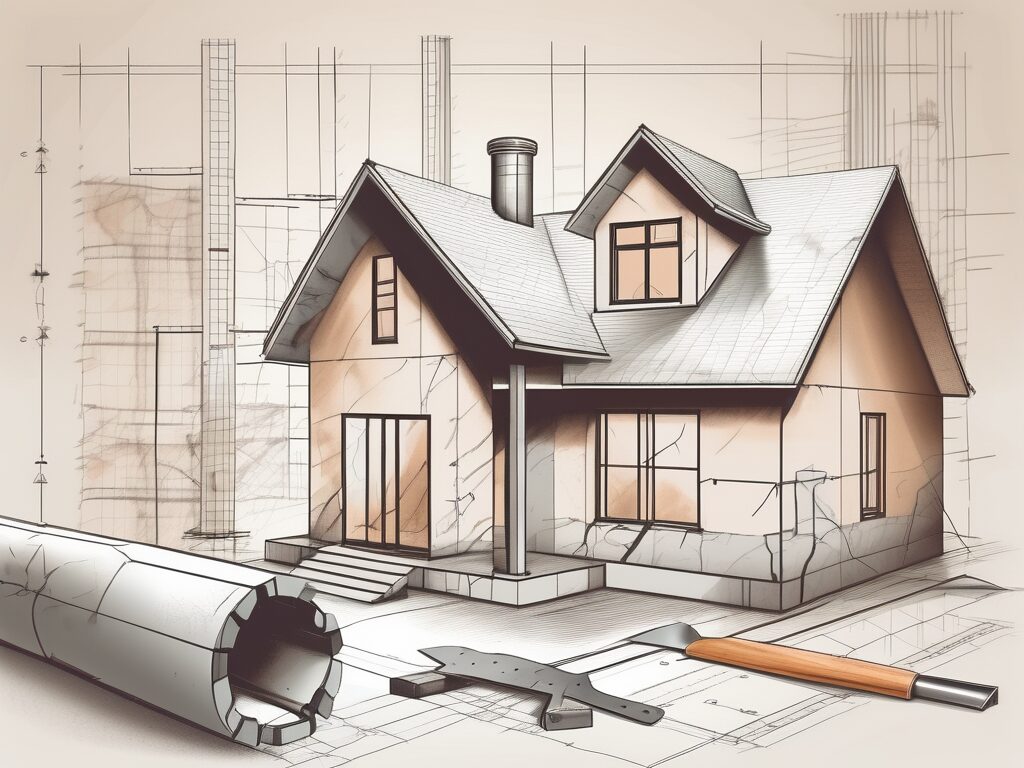
Foundation issues can be some of the most costly and challenging problems homeowners face. A compromised foundation can lead to a multitude of problems, including structural damage, cracked walls, uneven floors, and water infiltration. In this guide, we will explore the signs of foundation problems, discuss the different repair options available, and provide insights into the costs involved.
Foundation issues can be a homeowner’s worst nightmare. Not only can they compromise the structural integrity of your home, but they can also lead to costly repairs if not addressed promptly. In this article, we will explore the signs of a sinking or settling foundation and discuss various repair options and their associated costs.
One of the first indicators of a sinking or settling foundation is the appearance of cracks in the walls, floors, or ceilings. These cracks may start as hairline fractures but can quickly escalate into more significant issues. Additionally, doors and windows that become difficult to open or close, as well as uneven or sloping floors, are telltale signs of foundation problems. If you notice any of these signs, it is crucial to take immediate action to prevent further damage.
When it comes to repairing a compromised foundation, there are several options to consider, each with its own set of benefits and costs. One common repair method is underpinning, which involves stabilizing the foundation by reinforcing it with piers or piles. The cost of underpinning can vary depending on the extent of the damage and the type of materials used. On average, homeowners can expect to pay between $5,000 and $10,000 for underpinning repairs.
Another popular method is slabjacking, which involves injecting a mixture of cement, sand, and other additives beneath the foundation to lift it back into place. This technique is often used when the foundation has settled due to soil compression or erosion. The cost of slabjacking repairs typically ranges from $1,500 to $3,500.
In some cases, a complete foundation replacement may be necessary. This intensive repair option involves removing the existing foundation and constructing a new one. The cost of a foundation replacement can be significant, often ranging from $20,000 to $40,000 or more.
It is important to note that these cost estimates are general guidelines and can vary depending on various factors such as the location of the home, the accessibility of the foundation, and the severity of the damage. Obtaining multiple quotes from reputable contractors is recommended to ensure you receive an accurate assessment of the costs involved.
Aside from the repair costs, it is essential to consider the potential long-term consequences of foundation issues. If left unaddressed, a compromised foundation can lead to further damage to your home, including plumbing problems, electrical issues, and even mold growth. Additionally, a damaged foundation can negatively impact the resale value of your property, making it harder to sell in the future.
When choosing a foundation repair method, it is crucial to consult with a professional who specializes in this area. They will assess the specific needs of your home and recommend the most suitable solution. Keep in mind that the chosen repair method should not only address the current issues but also prevent future problems from arising.
Regular maintenance and inspections can also help prevent foundation issues from occurring or worsening. Ensuring proper drainage around your home, maintaining a consistent moisture level in the soil, and addressing any plumbing leaks promptly are all essential steps in preserving the integrity of your foundation.
In conclusion, dealing with foundation issues requires prompt action and careful consideration of the available repair options. By understanding the signs of a sinking or settling foundation and the associated costs of repairs, homeowners can make informed decisions to protect their investment and ensure the long-term stability of their homes.
Your roof is your home’s first defense against the elements, and over time, it can deteriorate due to various factors. Some of the signs that indicate your roof may need replacement include missing or damaged shingles, water leaks, sagging areas, and excessive granule loss. If you notice any of these signs, it is essential to address the issue promptly to prevent further damage to your home.
Replacing your roof is a significant investment, and it’s crucial to understand the process and what to expect. From exploring different roofing materials to considering costs and consulting with professionals, there are several factors to consider before making a decision.
When it comes to replacing your roof, you have a wide range of material options to choose from. Asphalt shingles are the most common and affordable choice, with costs ranging from $5,000 to $10,000 on average. They are known for their durability and versatility, making them a popular option for homeowners.
Metal roofing is another option to consider. While it comes with a higher price tag, typically ranging from $10,000 to $20,000, it offers exceptional durability and energy efficiency. Metal roofs can last up to 50 years or more, making them a long-term investment that can save you money on energy bills in the long run.
If you’re looking for a more unique and aesthetically pleasing option, you might consider tile, wood shake, or slate roofing. Tile roofs are known for their durability and can last up to 100 years with proper maintenance. Wood shake roofs offer a natural and rustic look, but they require regular maintenance to prevent issues such as rot and mold. Slate roofs are incredibly durable and can last for centuries, but they come with a higher price tag.
It is important to consider factors such as longevity, weather resistance, and maintenance requirements when selecting a roofing material. Consulting with a roofing professional can help you make an informed decision that meets your specific needs and budget.
Once you have chosen the right roofing material, it’s time to consider the installation process. Roof replacement involves several steps, including removing the old roof, inspecting the underlying structure, and installing the new roofing material. It’s essential to hire a reputable roofing contractor who has experience in roof replacement to ensure the job is done correctly and efficiently.
During the installation process, your home may experience some noise and disruption. However, a professional roofing company will strive to minimize the inconvenience as much as possible. They will also take measures to protect your property, such as using tarps to catch debris and cleaning up thoroughly after the project is complete.
Once your new roof is installed, it’s important to schedule regular maintenance to keep it in optimal condition. This includes inspecting the roof for any signs of damage, cleaning gutters, and addressing any issues promptly. Regular maintenance can extend the lifespan of your roof and prevent costly repairs in the future.
Upgrading your roof is a significant investment, but it can greatly enhance the appearance, value, and protection of your home. By understanding the signs that indicate the need for roof replacement, exploring different roofing materials and costs, and working with a professional roofing contractor, you can ensure a smooth and successful roof upgrade that will benefit you for years to come.
Water damage can wreak havoc on your home and lead to costly repairs. It not only affects the structural integrity of your property but also poses health risks due to the potential growth of mold and mildew. Therefore, it is crucial to understand the common causes of water damage and take proactive measures to prevent it. In the unfortunate event that your home experiences water damage, immediate action is necessary to minimize the impact and facilitate the restoration process.
Leaky pipes are one of the leading causes of water damage in homes. Over time, pipes can deteriorate or develop cracks, leading to water leakage. Additionally, overflowing gutters can result in water seeping into the walls and foundation of your home, causing significant damage. Faulty appliances, such as washing machines and dishwashers, can also cause water damage if they malfunction or have damaged hoses. Lastly, severe weather events, such as heavy rainfall or flooding, can result in water infiltrating your home.
Understanding these common causes of water damage can help you identify potential risks in your home and take preventive measures. Regularly inspecting your pipes, cleaning your gutters, and maintaining your appliances can go a long way in preventing water damage.
Discovering water damage in your home can be overwhelming, but taking immediate action is crucial to minimize the impact and prevent further issues. The first step is to address the source of the water intrusion. If you have a burst pipe, it is essential to shut off the main water supply to prevent further flooding. If you have a leaking roof, placing buckets or tarps can temporarily mitigate the damage until professional help arrives.
Once the source of the water intrusion is addressed, it is important to remove any standing water as soon as possible. You can use buckets, mops, or wet/dry vacuums to extract the water. However, it is crucial to prioritize your safety and avoid electrical hazards. If the water level is too high or there is a risk of electrical shock, it is best to wait for professional assistance.
After removing the standing water, it is crucial to initiate the drying process to prevent mold growth. Opening windows and using fans can help improve air circulation and expedite the drying process. However, in cases of extensive water damage, it is recommended to use dehumidifiers and industrial-grade fans to ensure thorough drying.
Documenting the damage is an important step in the restoration process. Take photos and videos of the affected areas, as well as any damaged belongings. This documentation will be useful when filing an insurance claim. Contact your insurance provider promptly to initiate the claim process and seek guidance on the necessary steps to take.
While some homeowners may attempt to handle water damage restoration on their own, it is highly recommended to hire a professional water damage restoration company. These professionals have the expertise, equipment, and knowledge to thoroughly clean and dry the affected areas, preventing further issues such as mold growth and structural damage.
In conclusion, water damage prevention is crucial in preserving the structural integrity and value of your home. Understanding the common causes of water damage and taking proactive measures can help you avoid costly repairs and potential health hazards. In the unfortunate event of water damage, taking immediate action, documenting the damage, and seeking professional assistance are essential steps in the restoration process.
Mold growth in homes can have adverse effects on both the property and the health of its occupants. Recognizing the signs of mold, such as musty odors and visible black spots on walls and ceilings, is crucial to addressing the issue promptly. Mold remediation involves the removal of mold-infected materials and the implementation of measures to prevent its recurrence.
Mold, a type of fungus, thrives in damp and humid environments. It can grow on various surfaces, including walls, ceilings, carpets, and even furniture. The presence of mold not only poses a threat to the structural integrity of your home but also to your health. Exposure to mold spores can cause allergic reactions, respiratory problems, and other health issues.
When dealing with mold, it is important to take immediate action. Ignoring the problem can lead to further damage and increased health risks. If you notice any signs of mold in your home, it is recommended to consult a professional mold remediation specialist.
Professional mold remediation companies have the expertise and equipment to effectively identify and eliminate mold problems. They follow a systematic approach to ensure thorough mold removal and prevention of future growth. The process typically begins with a comprehensive inspection of the affected area to assess the extent of the mold infestation.
Once the mold problem has been identified, the next step is containment. This involves isolating the affected area to prevent the spread of mold spores to other parts of the house. Containment may include the use of plastic sheets, negative air pressure machines, and air scrubbers to maintain a controlled environment.
The actual removal of mold-infested materials is a meticulous process. Trained professionals use specialized tools and techniques to safely remove contaminated materials, such as drywall, insulation, and carpeting. They ensure that all affected areas are thoroughly cleaned and disinfected to eliminate any remaining mold spores.
After the removal process, preventive measures are implemented to minimize the chances of mold recurrence. This may include improving ventilation, fixing plumbing leaks, and reducing moisture levels in the affected area. Additionally, mold remediation companies may recommend the use of mold-resistant materials during the restoration process to further safeguard against future mold growth.
Mold removal is a complex process that should be handled by trained professionals. The process typically involves containing the affected area, removing mold-infested materials, cleaning and disinfecting the area, and implementing preventive measures. The cost of professional mold remediation can vary depending on the size of the affected area and the extent of the mold growth. On average, homeowners can expect to pay between $500 and $6,000 for professional mold removal.
It is important to note that the cost of mold remediation is influenced by several factors. The size of the affected area, the severity of the mold growth, and the accessibility of the mold-infested materials all play a role in determining the overall cost. Additionally, the location and reputation of the mold removal company can also impact the pricing.
When considering professional mold removal, it is essential to obtain multiple quotes from reputable companies. This allows homeowners to compare prices and services to make an informed decision. It is important to prioritize the expertise and experience of the mold remediation specialists rather than solely focusing on cost.
While the cost of professional mold removal may seem high, it is a worthwhile investment in the long run. By addressing the mold issue promptly and effectively, homeowners can prevent further damage to their property and protect the health of their loved ones.
In conclusion, mold growth in homes can have serious consequences for both the property and its occupants. Identifying the signs of mold and promptly addressing the issue through professional mold remediation is crucial. The process involves containment, removal of mold-infested materials, thorough cleaning and disinfection, and implementation of preventive measures. The cost of professional mold removal varies depending on various factors, but it is a necessary investment to safeguard your home and health.
An efficient HVAC system plays a crucial role in maintaining comfort and energy efficiency in your home. Some signs that indicate it may be time to upgrade your HVAC system include frequent breakdowns, rising energy bills, uneven temperature distribution, and outdated equipment. Upgrading to a newer, more efficient HVAC system can provide numerous benefits, including improved comfort, energy savings, and reduced environmental impact.
When considering a new HVAC system, it is important to explore different options to find the best fit for your home and budget. Traditional central air conditioning systems, ductless mini-split systems, and heat pumps are popular choices. The cost of installing a new HVAC system can vary depending on factors such as the size of the home, the complexity of the installation, and the desired efficiency level. On average, homeowners can expect to pay between $5,000 and $10,000 for a new HVAC system installation.
Electrical wiring deteriorates over time and can pose significant safety hazards if not properly maintained. Some signs that indicate your home may need electrical rewiring include frequent circuit breaker trips, flickering lights, and charred outlets. Hiring a licensed electrician to assess your wiring system is crucial in identifying any potential risks and ensuring the safety of your home.
In summary, addressing foundation issues, roof replacements, water damage prevention and restoration, mold remediation, HVAC system upgrades, and electrical rewiring are essential steps in maintaining the integrity and safety of your home. By identifying the signs of potential problems and taking immediate action, homeowners can avoid costly repairs and ensure the long-term durability and value of their properties.

If you want the Richr team to help you save thousands on your home just book a call.
 Book a call
All information provided is deemed reliable but is not guaranteed and should be independently verified. You should consult your own professionals for financial, legal, or tax advice and conduct your own due diligence. Brokerage services are provided by Richr Homes, FL License # 1060165. Services of Richr's affiliates, Richr Insurance and Richr Title, are optional and can be used in combination or separately.