
Agent A-Team or Solo Superhero? Finding the Right Real Estate Partner for Your Selling Journey in Wildwood Florida
When it comes to selling your home in Wildwood, Florida,…
January 29, 2024
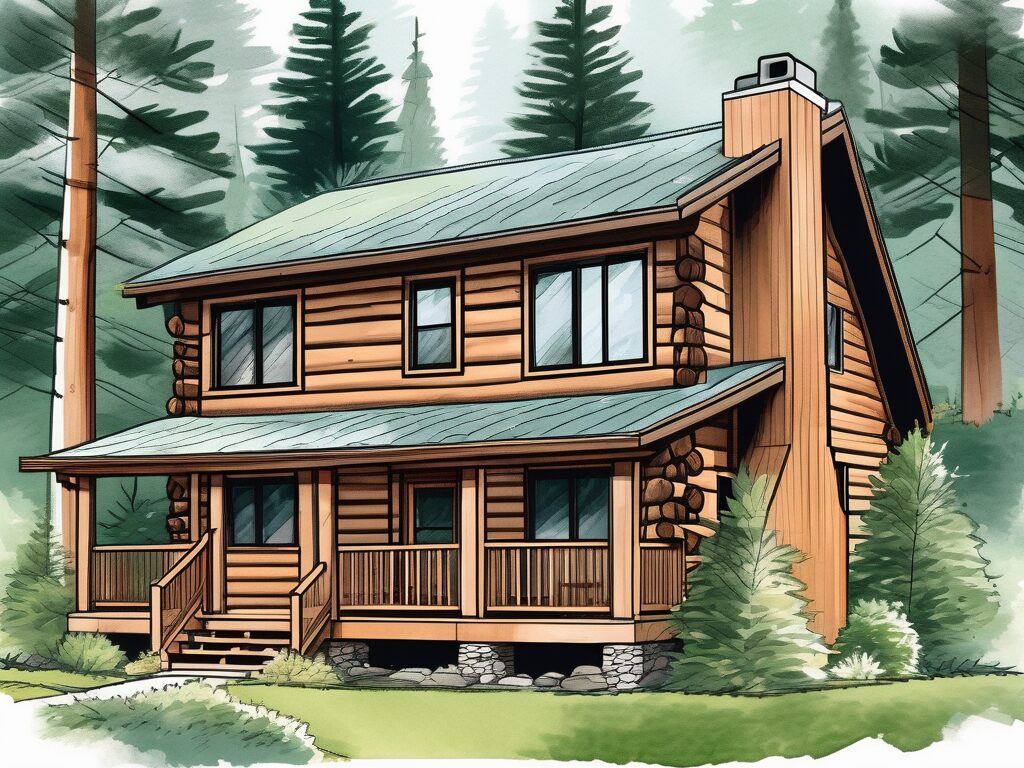
As the proud owner of a log home, it’s important to understand that regular maintenance is key to ensuring its longevity and preserving its natural beauty. From annual inspections to gentle cleaning and pest prevention, there are several essential log home maintenance tips that every homeowner should be aware of.
Regularly inspecting your log home is crucial for identifying and addressing any potential issues before they escalate into costly repairs. By conducting an annual inspection, you can keep your log home in check and ensure its structural integrity.
An annual inspection allows you to identify any signs of damage caused by weather, moisture, pests, or aging. By catching these issues early on, you can take immediate action to prevent further deterioration and safeguard your investment.
During the inspection, pay close attention to the condition of the logs, windows, doors, and roofing. Look for signs of rot, insect infestation, or gaps that need sealing. Taking note of any areas that require attention will help you prioritize your maintenance tasks.
When inspecting the logs, check for any cracks or splits that may have developed over time. These can be indicators of structural issues or potential water damage. Additionally, examine the logs for signs of discoloration or fading, as this could suggest sun damage or the need for re-staining.
Windows and doors are common areas where air and moisture can infiltrate your log home. Inspect the seals around these openings and ensure they are in good condition. Replace any worn-out weatherstripping or caulking to maintain energy efficiency and prevent water leaks.
The roofing of your log home plays a vital role in protecting it from the elements. Check for missing or damaged shingles, as well as any signs of sagging or water pooling. Addressing these issues promptly can prevent water infiltration and potential structural damage.
While conducting your annual inspection, it’s also essential to inspect the interior of your log home. Look for any signs of water stains or mold growth on the walls or ceilings, as this could indicate a leak or excessive moisture. Inspect the plumbing system for any leaks or dripping faucets that need repair.
Furthermore, take note of any unusual odors or sounds that may suggest pest infestation. Look for droppings, gnaw marks, or nests in the attic, basement, or crawl spaces. Taking immediate action to address pest issues can prevent damage to your log home’s structure and ensure a healthy living environment.
By conducting a thorough annual inspection, you can stay proactive in maintaining your log home’s condition and preventing costly repairs. Remember to document any findings and create a maintenance plan to address the identified issues. Regular inspections and timely maintenance will help you enjoy your log home for years to come.
Over time, your log home’s exterior may accumulate dirt, grime, and other debris. This can detract from the natural beauty of the logs and make your home appear dull and unkempt. However, with proper care and maintenance, you can keep your log home looking pristine for years to come.
When it comes to cleaning the exterior of your log home, it’s important to use gentle methods that won’t cause any damage to the wood. Harsh chemicals and abrasive tools can strip away the protective finish and leave the logs vulnerable to moisture and decay. Instead, opt for a more delicate approach that will effectively remove dirt and stains without compromising the integrity of the wood.
Here are some tips to help you safely wash your log home and maintain its natural beauty:
1. Choose the Right Cleaning Solution: When selecting a cleaning solution for your log home, avoid harsh chemicals that can be harmful to both the wood and the environment. Instead, opt for a mild detergent mixed with water. This gentle solution will effectively remove dirt and grime without causing any damage.
2. Use a Soft-Bristle Brush or Sponge: To scrub away dirt and stains, use a soft-bristle brush or sponge. These tools are gentle enough to prevent scratching or scuffing the wood’s surface, while still being effective in removing debris. Avoid using abrasive tools, such as wire brushes, as they can cause irreversible damage to the logs.
3. Work in Small Sections: To ensure thorough cleaning, work in small sections at a time. This will allow you to focus on one area at a time and ensure that no spots are missed. It will also prevent the cleaning solution from drying on the logs, which can leave behind unsightly soap residue.
4. Rinse Thoroughly: After scrubbing each section, rinse thoroughly with a hose. This will remove any remaining dirt, soap, and debris, leaving your log home looking fresh and clean. Make sure to rinse from top to bottom to prevent streaking.
5. Follow Manufacturer’s Guidelines: Different log home manufacturers may have specific recommendations for cleaning and maintenance. It’s important to follow these guidelines to ensure that you don’t void any warranties or inadvertently cause damage to your log home. If you’re unsure about which cleaning products to use or how to properly clean your log home, consult the manufacturer or a professional log home maintenance company.
By following these tips and using gentle cleaning methods, you can effectively maintain the exterior of your log home without causing any damage. Regular cleaning will not only keep your log home looking beautiful, but it will also help preserve the wood and extend its lifespan. So, roll up your sleeves, grab your cleaning supplies, and give your log home the TLC it deserves!
Stains, mold, and mildew can detract from the natural beauty of your log home. Removing these substances is crucial for maintaining its visual appeal and structural integrity.
Log homes are known for their rustic charm and unique aesthetic. The natural beauty of the logs can be marred by unsightly stains, mold, and mildew. These issues not only affect the appearance of your home but can also compromise its structural integrity if left untreated. Therefore, it is essential to take proactive measures to banish stains and mold from your log home.
When it comes to tackling stains on your log home, there are several effective methods you can employ. One option is to use specialized log cleaners, which are specifically formulated to remove stains without damaging the wood. These cleaners often contain powerful yet gentle ingredients that can penetrate deep into the logs, lifting away even the toughest stains.
Another method for stain removal is to create a mixture of bleach and water. This solution can be applied to the affected areas and gently scrubbed with a brush. The bleach helps to break down the stains, while the water dilutes its potency, ensuring that it doesn’t harm the logs. After scrubbing, it is crucial to rinse the area thoroughly to remove any residue and prevent discoloration.
When dealing with mold or mildew, it is important to address the underlying moisture issue first. Mold and mildew thrive in damp environments, so identifying the source of moisture and resolving it is crucial. This may involve fixing leaks, improving ventilation, or addressing any other factors contributing to excess moisture.
Once the source of moisture is resolved, it is time to tackle the mold or mildew itself. There are various mold-removing solutions available in the market that are specifically designed for log homes. These solutions contain powerful anti-fungal agents that effectively eliminate mold and mildew. It is important to carefully follow the manufacturer’s instructions when using these products to ensure maximum effectiveness and safety.
While removing stains, mold, and mildew from your log home, it is essential to prioritize your safety. Always wear protective gear, such as gloves and goggles, when working with cleaning solutions. These precautions will safeguard you from any potential harm and ensure a safe and successful cleaning process.
By employing these effective methods and taking proactive measures, you can restore the beauty of your log home and maintain its visual appeal and structural integrity for years to come.
Gaps or cracks in your log home can lead to energy loss and allow moisture, insects, and other unwanted elements to penetrate the structure. Taking the time to seal these gaps is crucial for protecting your log home from the elements.
When it comes to log homes, maintaining the integrity of the structure is of utmost importance. One of the key aspects of this maintenance is checking and repairing any gaps or cracks, commonly known as chinking, between the logs. These gaps can develop over time due to natural settling of the logs or exposure to harsh weather conditions.
Regularly inspecting your log home for any gaps or cracks is essential to ensure its longevity and efficiency. Chinking plays a vital role in sealing the spaces between the logs, preventing heat loss, water intrusion, and pest infestation.
When inspecting your log home, pay close attention to areas where the logs meet, as these are common spots for gaps to develop. Look for any signs of deterioration, such as crumbling or missing chinking material. It’s important to address these issues promptly to prevent further damage.
If you notice any gaps or cracks in your log home, it’s crucial to take immediate action. Leaving these gaps unattended can lead to a host of problems, including increased energy consumption and potential structural damage.
Fortunately, there are effective solutions available for sealing these gaps. Log chinking material or caulk specifically designed for log homes can be used to fill in the gaps and restore the integrity of your log home. It’s important to choose a chinking material that matches the color and texture of your logs for a seamless finish.
Before applying the chinking material, it’s essential to properly prepare the surface. Clean the gaps thoroughly, removing any debris or old chinking material. This will ensure proper adhesion and longevity of the new chinking material.
Once the gaps are clean and dry, carefully apply the chinking material using a caulk gun or trowel. Take your time to ensure that the gaps are completely filled, leaving no room for air or moisture to penetrate. Smooth out the chinking material to create a uniform and aesthetically pleasing finish.
Regular maintenance is key to keeping your log home in top condition. It’s recommended to inspect and repair any gaps or cracks in your log home at least once a year, preferably before the harsh winter months. By taking proactive measures to seal these gaps, you can protect your log home from the elements and enjoy its beauty and durability for years to come.
Staining your log home not only enhances its natural beauty but also provides protection against moisture, UV rays, and other environmental factors. Regular staining and proper maintenance can significantly extend the lifespan of your log home.
When it comes to preserving and beautifying your log home, staining is a crucial step. It not only adds a touch of elegance to the exterior but also acts as a shield against the elements. By properly staining and protecting your log home, you can ensure its longevity and keep it looking stunning for years to come.
Before diving into the staining process, it’s essential to prepare your log home adequately. Start by thoroughly cleaning the exterior surface to remove any dirt, dust, or grime that may have accumulated over time. This step ensures that the stain adheres properly and provides maximum protection.
Once your log home is clean and dry, it’s time to choose the right stain. Opt for a high-quality stain specifically formulated for log homes. These stains are designed to penetrate the wood, providing long-lasting protection and enhancing the natural beauty of the logs.
When applying the stain, you have several options: a brush, roller, or sprayer. Each method has its advantages, so choose the one that suits your preferences and the size of your log home. A brush allows for better control and precision, while a roller or sprayer can cover larger areas more quickly.
Follow the manufacturer’s instructions for the best results. Some stains may require you to apply multiple coats to achieve the desired color and level of protection. Take your time and ensure that each coat is applied evenly, allowing sufficient drying time between coats.
Regular maintenance is key to preserving the beauty and protection of your log home. Inspect the condition of the stain periodically and reapply as needed. Factors such as weather conditions and sun exposure can affect the longevity of the stain, so it’s essential to stay vigilant and address any signs of wear or fading promptly.
Additionally, consider using a clear topcoat or sealer to further enhance the durability and longevity of the stain. These products create an additional barrier against moisture and UV rays, providing extra protection for your log home.
Remember, staining and protecting your log home is not a one-time task. It’s an ongoing process that requires regular attention and care. By investing time and effort into proper maintenance, you can enjoy a log home that stands the test of time and continues to impress with its natural beauty.
The landscaping around your log home plays a crucial role in maintaining its overall appeal and protecting its foundation. Proper drainage and strategic landscaping can help prevent issues such as water accumulation and damage to the logs.
When planning your landscaping, ensure that the soil slopes away from the log home’s foundation to prevent water from pooling around the logs. This will help reduce the risk of moisture-related problems.
Additionally, avoid planting shrubs or trees too close to the logs, as their roots can potentially damage the foundation or trap moisture against the wood. Regularly trim vegetation near your log home to maintain proper airflow and prevent any potential issues.
Protecting your log home from pests is essential to preserve its integrity and ensure a comfortable living environment. Regular pest prevention measures can help you avoid costly repairs and maintain a pest-free log home.
Regularly inspect the exterior of your log home for signs of pest activity, such as droppings, chewed wood, or nests. Sealing any gaps or cracks in your log home will help prevent pests, such as insects or rodents, from finding their way in.
If you encounter a pest infestation, consider consulting with a professional pest control service that specializes in log homes. They can provide safe and effective solutions tailored to your specific needs.
By following these essential log home maintenance tips, you can ensure that your log home remains a lasting and beautiful abode for many years to come. Regular inspections, gentle cleaning, stain preservation, and pest prevention are all key factors in maintaining the integrity and longevity of your log home. Invest time and effort into keeping your log home in check, and you will be rewarded with a stunning and enduring abode.

If you want the Richr team to help you save thousands on your home just book a call.
 Book a call
All information provided is deemed reliable but is not guaranteed and should be independently verified. You should consult your own professionals for financial, legal, or tax advice and conduct your own due diligence. Brokerage services are provided by Richr Homes, FL License # 1060165. Services of Richr's affiliates, Richr Insurance and Richr Title, are optional and can be used in combination or separately.