Agent A-Team or Solo Superhero? Finding the Right Real Estate Partner for Your Selling Journey in Wildwood Florida
When it comes to selling your home in Wildwood, Florida,…
January 29, 2024
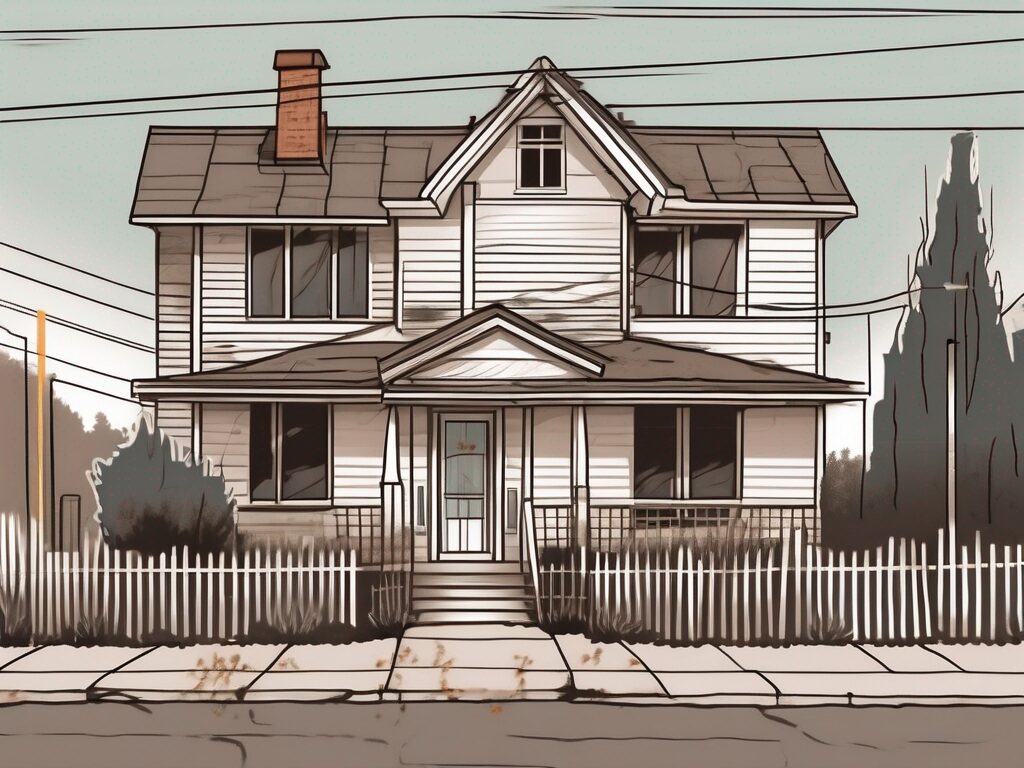
Selling a house can be a daunting task, especially when there are potential issues that need to be addressed. One common concern among homeowners is outdated wiring. Selling a house with outdated wiring can not only be a safety hazard but can also affect the overall value of the property. In this article, we will provide you with essential tips to help you navigate this situation and ensure a smooth selling process. So, let’s dive in!
Before listing your house for sale, it is crucial to prioritize safety by conducting a thorough pre-listing electrical inspection. This inspection will help assess the condition of your home’s wiring, identify any potential hazards, and provide you with the necessary knowledge to make informed decisions regarding necessary upgrades or repairs.
When it comes to selling a house, safety should always be a top priority. Potential buyers want to feel confident that the property they are considering is free from electrical hazards. By conducting a pre-listing electrical inspection, you not only ensure the safety of your potential buyers but also protect yourself from any liability issues that may arise in the future.
During the electrical inspection, a certified electrician will evaluate the condition of your home’s wiring. They will assess factors such as the age of the wiring, visible wear and tear, and whether the wiring meets current safety standards. This assessment will help determine the level of urgency for any necessary upgrades or repairs.
Age is an important factor to consider when assessing the condition of your home’s wiring. Older homes may have outdated electrical systems that are not equipped to handle the demands of modern technology. This can lead to overloaded circuits, increased risk of electrical fires, and potential damage to appliances and electronics.
Visible wear and tear on the wiring can also indicate potential hazards. Frayed or exposed wires, loose connections, and damaged insulation are all signs that the electrical system may be compromised. These issues can increase the risk of electrical shocks, short circuits, and electrical fires.
In addition to assessing the condition of the wiring, the electrician will also check if it meets current safety standards. Electrical codes and regulations are constantly evolving to ensure the safety of occupants. By ensuring that your home’s wiring complies with these standards, you can provide potential buyers with peace of mind and avoid any potential legal issues.
Based on the findings of the inspection, the electrician will provide you with a detailed report outlining any necessary upgrades or repairs. This report will help you prioritize the work that needs to be done and budget accordingly. It is important to address any electrical issues before listing your house for sale to avoid any last-minute surprises or delays in the selling process.
In conclusion, conducting a pre-listing electrical inspection is an essential step in prioritizing safety when selling your house. By assessing the condition of your home’s wiring, identifying potential hazards, and making necessary upgrades or repairs, you can ensure the safety of potential buyers and protect yourself from any liability issues. So, before you put your house on the market, make sure to schedule a pre-listing electrical inspection and provide potential buyers with the peace of mind they deserve.
The service panel is the heart of your home’s electrical system. It is responsible for distributing electricity throughout your house, ensuring that all your appliances and devices receive the power they need to function properly. Over time, however, service panels can become outdated or hazardous, posing a risk to your home’s electrical safety.
Upgrading your service panel not only ensures electrical safety but also gives potential buyers peace of mind knowing that the electrical system is up-to-date and capable of handling modern electrical demands. Whether you are planning to sell your home in the near future or simply want to ensure the safety of your family and property, a service panel upgrade is a wise investment.
There are several signs that indicate a hazardous or outdated service panel. By being aware of these signs, you can take proactive measures to address any potential issues before they escalate.
One common sign is rust or corrosion on the service panel. Rust can weaken the structure of the panel, compromising its ability to safely distribute electricity. Corrosion, on the other hand, can cause electrical connections to become loose or unreliable, leading to power outages or even electrical fires.
Another sign to watch out for is charred or discolored areas on the service panel. These marks indicate that the panel has been subjected to excessive heat, which can be a result of overloaded circuits or faulty wiring. Ignoring these signs can lead to serious electrical hazards, including electrical shocks and fires.
If you hear buzzing sounds coming from your service panel, it is a clear indication that something is wrong. Buzzing sounds can be caused by loose connections, faulty breakers, or damaged wiring. It is crucial to address this issue promptly, as it can lead to electrical malfunctions and potential safety hazards.
Frequently tripped breakers are another sign that your service panel may be outdated or unable to handle the electrical demands of your home. Breakers trip as a safety mechanism to prevent electrical overload. However, if your breakers are constantly tripping, it may indicate that your electrical system is being pushed beyond its capacity. Upgrading your service panel will provide the necessary capacity to meet your household’s electrical needs.
Lastly, the presence of a fuse box instead of circuit breakers is a clear indication that your service panel is outdated. Fuse boxes were commonly used in older homes, but they lack the safety features and convenience of modern circuit breakers. Upgrading to a circuit breaker panel will not only enhance the safety of your electrical system but also make it easier to manage and troubleshoot electrical issues.
In conclusion, upgrading your service panel is a crucial step in ensuring the electrical safety of your home. By addressing any signs of a hazardous or outdated panel, you can protect your family, property, and valuable electrical devices. Don’t wait for a serious electrical incident to occur – take action now and enjoy the peace of mind that comes with a modern and reliable service panel.
Arc Fault Circuit Interrupters (AFCIs) are a vital safety feature that detects dangerous electrical arcing and shuts off the power before a fire can occur. Upgrading to AFCIs not only enhances electrical safety but also increases the perceived value of your home.
Electrical safety is a top priority for homeowners, and AFCIs play a crucial role in ensuring a secure living environment. By constantly monitoring the electrical current flowing through your home’s circuits, AFCIs can detect any abnormal arcing that may occur. This includes arcing caused by damaged or deteriorating wiring, loose connections, or faulty appliances. By swiftly shutting off the power, AFCIs prevent these arcing events from escalating into dangerous electrical fires.
But the benefits of upgrading to AFCIs go beyond just preventing fires. By investing in this advanced technology, you are also improving the overall reliability of your electrical system. AFCIs can identify potential electrical faults before they become major issues, allowing you to address them proactively. This proactive approach not only saves you from costly repairs but also ensures that your electrical system operates smoothly and efficiently.
In today’s digital age, we rely heavily on electronic devices and appliances. These sensitive devices are susceptible to damage caused by electrical arcing. By installing AFCIs, you are providing an additional layer of protection to your valuable electronics. AFCIs can detect even the smallest arcing events, ensuring that your devices remain safe from any electrical hazards.
Furthermore, upgrading to AFCIs ensures that your home is in compliance with modern electrical codes. As technology advances and electrical safety standards evolve, it is essential to stay up to date with the latest regulations. By installing AFCIs, you are demonstrating your commitment to maintaining a safe and code-compliant electrical system.
Upgrading to AFCIs provides several benefits, including significantly reducing the risk of electrical fires, improving electrical system reliability, protecting sensitive electronic devices from damage, and ensuring compliance with modern electrical codes. These benefits can be marketed as selling points to potential buyers.
When it comes to selling your home, safety is a top concern for potential buyers. By having AFCIs installed, you can assure them that your home is equipped with the latest safety technology, providing peace of mind for their families. The reduced risk of electrical fires associated with AFCIs is a significant selling point that can make your home more appealing to buyers.
Additionally, the improved reliability of your electrical system can be a selling point for buyers who are looking for a home that requires minimal maintenance. By upgrading to AFCIs, you are demonstrating that you have taken proactive measures to ensure the longevity and efficiency of your electrical system.
Furthermore, the protection offered by AFCIs to sensitive electronic devices is particularly appealing to buyers in today’s technology-driven world. With the increasing reliance on electronics, having a home that safeguards their valuable devices is a significant advantage.
Lastly, ensuring compliance with modern electrical codes is crucial for homeowners. By having AFCIs installed, you are demonstrating that your home meets the latest safety standards, giving buyers confidence in the overall quality and safety of your property.
Ground Fault Circuit Interrupters (GFCIs) are electrical safety devices designed to protect against electric shock. Ensuring proper installation of GFCIs is crucial to meet current electrical code requirements and provide an additional layer of protection for homeowners.
When it comes to electrical safety, there is no room for compromise. That’s why GFCIs are an essential component of any modern electrical system. These devices are specifically designed to detect ground faults, which occur when there is an unintentional electrical path between a power source and a grounded surface. Ground faults can happen due to various reasons, such as damaged wiring, faulty appliances, or even moisture in the electrical system.
Properly installed GFCIs play a vital role in preventing electrical accidents. They work by continuously monitoring the flow of electricity in a circuit. If a ground fault is detected, the GFCI reacts swiftly, interrupting the circuit within milliseconds. This rapid response prevents potential electrical shocks and greatly reduces the risk of electrical injuries or fatalities.
Properly installed GFCIs offer numerous benefits, making them an indispensable safety feature in residential and commercial buildings. One of the primary advantages is the protection they provide to individuals, especially in areas where electrical hazards are more likely to occur, such as kitchens, bathrooms, and outdoor spaces.
Imagine a scenario where a faulty appliance causes a ground fault in the kitchen. Without a GFCI, the fault could go unnoticed, posing a serious risk to anyone using the electrical system. However, with a properly installed GFCI, the circuit would be immediately interrupted, preventing any potential harm.
Furthermore, GFCIs provide peace of mind to homeowners and buyers. When purchasing a new home, one of the top concerns for buyers is the safety of the property. By having GFCIs installed throughout the house, homeowners can rest assured that they have taken an important step towards ensuring the safety of their family and loved ones.
It is important to note that GFCIs are not only beneficial in residential settings but also in commercial and industrial environments. These devices are commonly used in workplaces where electrical equipment and machinery are present. By installing GFCIs in such settings, employers can create a safer work environment and comply with electrical safety regulations.
In conclusion, the proper installation of GFCIs is crucial for maintaining code compliance and enhancing electrical safety. These devices offer a reliable and effective solution to protect against electric shock and prevent potential electrical accidents. Whether in residential, commercial, or industrial settings, GFCIs play a vital role in ensuring the well-being of individuals and providing peace of mind to homeowners and employers alike.
A common issue with outdated wiring is improper outlet grounding and polarity. Checking and addressing these issues is essential for electrical safety and ensures that all outlets in your home are working correctly and meeting code requirements.
When it comes to electrical safety, one cannot underestimate the importance of grounded outlets. These outlets play a crucial role in protecting against electrical shock and preventing damage to sensitive electrical devices. Without proper grounding, the risk of electrical accidents and potential damage to appliances increases significantly.
So, what exactly is grounding? In simple terms, grounding provides a safe path for electrical currents to flow into the earth, effectively diverting any excess electricity and preventing it from causing harm. It acts as a safeguard, ensuring that in the event of a fault or surge, the electrical current is safely directed away from people and equipment.
Now, let’s talk about polarity. In electrical terms, polarity refers to the correct alignment of the hot, neutral, and ground wires in an electrical circuit. It ensures that electricity flows in the intended direction, preventing any potential hazards or malfunctions. Incorrect polarity can lead to reversed electrical currents, which can cause appliances to malfunction or even pose a fire hazard.
When it comes to buying or selling a house, having properly grounded outlets is not just a matter of convenience, but a crucial safety requirement. Potential buyers are often wary of outdated electrical systems, and ensuring that your outlets are grounded and polarity is correct can provide reassurance that the electrical system in your house is safe and up to code.
So, how can you check if your outlets are properly grounded and have the correct polarity? One way is to use a multimeter, a handy tool that measures electrical voltage, resistance, and continuity. With a multimeter, you can test the outlet’s grounding by checking for continuity between the ground pin and a known ground, such as a metal water pipe or a grounding rod.
Additionally, you can also visually inspect the outlets for any signs of improper grounding or reversed polarity. Look for loose or missing ground wires, as well as any visible damage or wear on the outlet itself. If you notice any issues, it’s crucial to address them promptly to ensure the safety of your home.
Remember, electrical safety should never be taken lightly. Regularly checking and maintaining the grounding and polarity of your outlets is a small but significant step towards safeguarding your home and protecting your loved ones from potential electrical hazards.
In some cases, when the wiring in a house is severely outdated or poses significant safety concerns, a full electrical rewiring may be necessary. Knowing when to consider this option is crucial to ensure the overall safety and value of your property.
Red flags that may indicate the need for a complete electrical rewiring include frequent power outages, circuit breakers constantly tripping, flickering lights, burning smells, or visible damage to the wiring. If any of these signs are present, consulting with a licensed electrician for a professional assessment is highly recommended.
By following these essential tips, you can navigate the process of selling a house with outdated wiring more confidently. Prioritizing electrical safety, upgrading crucial components, and ensuring code compliance will not only increase the value of your property but also provide potential buyers with the peace of mind they seek. Remember, consulting with a professional electrician throughout the process is key to a successful sale and a safe transition for the new homeowners. Good luck with your sale!

If you want the Richr team to help you save thousands on your home just book a call.
 Book a call
All information provided is deemed reliable but is not guaranteed and should be independently verified. You should consult your own professionals for financial, legal, or tax advice and conduct your own due diligence. Brokerage services are provided by Richr Homes, FL License # 1060165. Services of Richr's affiliates, Richr Insurance and Richr Title, are optional and can be used in combination or separately.