Agent A-Team or Solo Superhero? Finding the Right Real Estate Partner for Your Selling Journey in Wildwood Florida
When it comes to selling your home in Wildwood, Florida,…
January 29, 2024
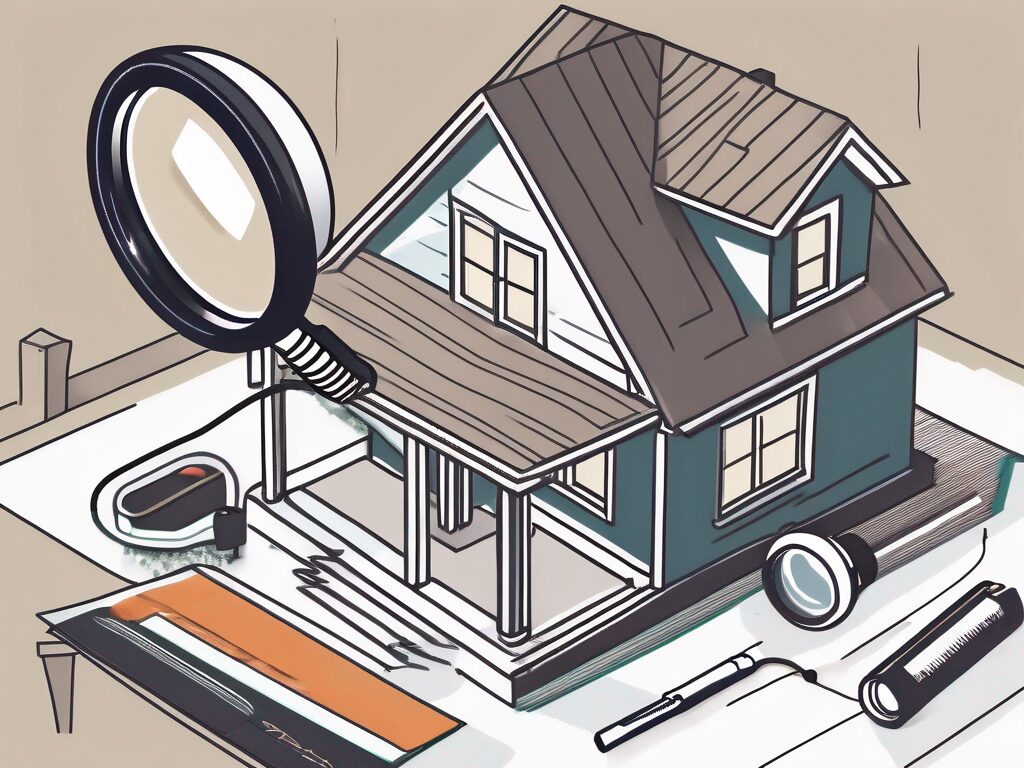
Selling a home can be a complex and stressful process. One critical step that sellers in Baldwin must navigate is the home inspection. Understanding the importance of a home inspection and knowing how to prepare for it is essential for a successful sale. In this article, we will guide you through each stage of the home inspection process, from understanding its significance to negotiating after the inspection, ultimately ensuring a smooth transition to closing.
When it comes to buying or selling a home, a home inspection plays a crucial role. It provides buyers with a comprehensive overview of the property’s condition, highlighting any existing or potential issues. For sellers, a home inspection is an opportunity to address these concerns before putting the property on the market and avoid unpleasant surprises during negotiation. It is essential to recognize the role a home inspection plays in real estate transactions, as it can significantly impact the final sale price and terms.
Home inspections are conducted by qualified professionals who thoroughly assess the property’s various aspects, including its structure, mechanical systems, and overall condition. These inspections are typically non-invasive, meaning that the inspector will not make any alterations to the property. Instead, they rely on their expertise and specialized tools to identify any underlying issues that may affect the property’s value or pose potential risks to the occupants.
A home inspection serves as an objective evaluation of a property’s structural integrity, mechanical systems, and overall condition. Buyers rely on this assessment to make an informed decision before investing their hard-earned money. Furthermore, real estate agents often include a home inspection contingency in the purchase contract, allowing buyers to renegotiate or withdraw their offer if significant issues are discovered.
During a home inspection, the inspector thoroughly examines the property’s exterior, interior, and all accessible areas. They check for any signs of damage, such as cracks in the foundation, roof leaks, or plumbing issues. Additionally, they inspect the electrical systems, HVAC (heating, ventilation, and air conditioning) systems, and other essential components to ensure they are functioning properly.
Once the inspection is complete, the inspector provides a detailed report outlining their findings. This report includes information about any existing or potential issues, along with recommendations for repairs or further evaluation by specialists. Buyers can then use this information to negotiate repairs or adjust the purchase price accordingly.
For sellers, conducting a pre-listing home inspection can be a strategic move. By proactively identifying and addressing any potential issues, you can present a well-maintained and problem-free property to potential buyers. This proactive approach not only instills confidence in buyers but also streamlines the negotiation process.
During a pre-listing inspection, the inspector will assess the property just as they would during a buyer’s inspection. They will identify any issues that may affect the property’s value or marketability. By addressing these issues before listing the property, sellers can avoid surprises during the negotiation process and potentially attract more serious buyers.
Furthermore, a pre-listing inspection allows sellers to set a reasonable asking price based on the property’s true condition. By being transparent about any known issues, sellers can avoid overpricing the property and potentially scaring away potential buyers. This approach can lead to a smoother and more successful sale.
In conclusion, a home inspection is a vital step in the real estate transaction process. It provides buyers with peace of mind and allows sellers to present their property in the best possible light. By understanding the importance of a home inspection and prioritizing it as a seller, you can navigate the real estate market with confidence and increase your chances of a successful sale.
Now that you understand the importance of a home inspection, it’s time to prepare your property to ensure a smooth inspection process. While some issues may require professional attention, there are steps you can take as a seller to create a favorable impression.
When preparing your home for inspection, it’s crucial to start by thoroughly cleaning your home. A clean and well-maintained home not only creates a positive impression but also allows the inspector to easily access different areas of the property. Remove any clutter and organize your belongings to make the inspection process more efficient.
In addition to cleanliness, it’s important to ensure that all systems in your home are in proper working order. This includes checking the heating, cooling, and plumbing systems. Make sure that they are functioning correctly and address any issues that may arise. For example, if you notice a leaky faucet, take the time to fix it before the inspection. Similarly, replace any burnt-out light bulbs to ensure that all areas of your home are well-lit and easily visible.
When it comes to preparing your home for inspection, attention to detail is key. Take the time to address any minor repairs or maintenance tasks that may be needed. Fixing leaky faucets, repairing loose handrails, and replacing damaged shingles are just a few examples of the types of issues you should address before the inspection.
By proactively addressing these potential red flags, you not only create a positive impression but also prevent any surprises during the inspection process. Walking through your home with a critical eye can help you identify any visible issues that may raise concerns for the inspector. By addressing these issues beforehand, you can provide reassurance to potential buyers that your home has been well-maintained.
Preparing your home for inspection involves more than just cleaning and maintenance. It’s important to take a comprehensive approach to address any potential red flags that may arise during the inspection.
Start by examining the exterior of your home. Look for any cracks in the windows or damaged shingles on the roof. These issues can raise concerns about the structural integrity of your home and should be addressed before the inspection. Additionally, check for any loose handrails or steps that may pose a safety hazard. By addressing these issues, you can ensure that your home is not only visually appealing but also safe for potential buyers.
Inside your home, pay close attention to any signs of water damage or mold. These issues can be a major red flag for buyers and may indicate underlying problems. If you notice any water stains on the walls or ceilings, it’s important to investigate the source of the issue and address it before the inspection. Similarly, if you detect a musty odor or see any signs of mold, it’s crucial to address these issues promptly.
Preparing your home for inspection is an essential step in the selling process. By taking the time to clean, maintain, and address potential red flags, you can create a favorable impression and increase the likelihood of a successful inspection. Remember, a well-prepared home not only gives buyers confidence but also demonstrates your commitment to maintaining your property.
With your home prepared for inspection, it is essential to understand the ins and outs of the actual inspection process.
When it comes to the home inspection process, there are several key factors to consider. A certified home inspector will play a crucial role in evaluating various aspects of your property, ensuring that it meets the required standards. From the foundation to the roof, electrical systems to plumbing, HVAC systems to general condition, the inspector will leave no stone unturned.
One of the primary focuses of the inspection is the foundation. The inspector will carefully examine the foundation for any signs of cracks, settling, or other structural issues. They will also assess the integrity of the walls and floors, ensuring that there are no major concerns that could affect the stability of the entire structure.
Roof inspections are equally important, as they can reveal potential leaks, missing shingles, or other damage that may require immediate attention. The inspector will carefully inspect the roof, checking for any signs of wear and tear, as well as assessing the overall condition and lifespan of the roofing materials.
Electrical systems are another critical aspect of the inspection. The inspector will evaluate the electrical panel, wiring, outlets, and switches to ensure that they are up to code and functioning properly. They will also look for any potential fire hazards or safety concerns that may need to be addressed.
The plumbing system will also undergo thorough scrutiny. The inspector will check for any leaks, water pressure issues, or faulty fixtures. They will assess the condition of the pipes, including the main water line and sewer line, to identify any potential problems that could lead to costly repairs down the line.
HVAC systems, including heating and cooling, will be evaluated to ensure they are in good working order. The inspector will check the furnace, air conditioning unit, ductwork, and ventilation to ensure they are functioning efficiently and not posing any health or safety risks.
Aside from these specific areas, the inspector will also assess the general condition of your home. They will look for signs of moisture damage, such as mold or mildew, which can indicate underlying issues. Structural issues, such as sagging floors or walls, will also be noted. Additionally, safety hazards, such as loose handrails or faulty stairs, will be identified.
During the inspection, a certified home inspector will evaluate various aspects of your property. This includes examining the foundation, roof, electrical systems, plumbing, HVAC systems, and more. They will also assess the general condition of your home, looking for signs of moisture damage, structural issues, or safety hazards. Understanding what inspectors typically look for allows you to anticipate potential findings and take necessary actions.
A home inspection typically takes a few hours, depending on the size and condition of the property. Buyers may choose to attend the inspection, allowing them to ask questions and gain a deeper understanding of the home. It is an excellent opportunity to learn about the various systems and components of the property firsthand.
Once the inspection is complete, the inspector will provide a detailed report outlining their findings. This report is an invaluable resource for both the buyer and the seller to understand the property’s strengths and weaknesses. It will include a comprehensive overview of the inspection, highlighting any areas of concern or potential issues that need to be addressed.
For buyers, the inspection report serves as a tool for negotiating repairs or adjustments to the purchase price. It provides them with a clear understanding of the property’s condition and helps them make an informed decision. Sellers, on the other hand, can use the report to address any issues before listing the property or to provide potential buyers with peace of mind.
In conclusion, the home inspection process is a crucial step in the home buying or selling journey. It allows both buyers and sellers to have a comprehensive understanding of the property’s condition, ensuring a smooth and transparent transaction. By having a thorough inspection conducted by a certified professional, you can make informed decisions and take the necessary steps to maintain or improve your home’s value and safety.
After the inspection, it is time to interpret the findings and understand their implications for your sale. This crucial step will help you make informed decisions and navigate the negotiation process with confidence.
When it comes to interpreting the home inspection report, it is essential to go beyond the surface-level information. While the report may highlight common issues, it is important to delve deeper and understand the potential consequences of these findings.
It is essential to familiarize yourself with common issues that may arise during a home inspection. This includes problems such as outdated electrical systems, plumbing leaks, roof damage, or foundation issues. These issues, if left unaddressed, can lead to costly repairs or even compromise the safety and integrity of the property.
For example, outdated electrical systems can pose a fire hazard, while plumbing leaks can result in water damage and mold growth. Roof damage may lead to leaks and structural issues, and foundation problems can cause structural instability and affect the overall value of the property.
By equipping yourself with this knowledge, you can better prepare for potential negotiation scenarios. Understanding the severity and potential consequences of these common issues will allow you to assess the impact on your property’s value and determine the best course of action.
Upon receiving the inspection report, take the time to review it carefully. Pay close attention to any significant issues that have been identified. It is important to understand the implications of these findings and how they may impact your sale.
If significant issues are identified, you may choose to address them before listing your property or adjust your asking price accordingly. This decision will depend on various factors, such as the severity of the issues, your budget, and the current market conditions.
Working closely with your real estate agent is crucial during this stage. They can provide valuable insights and guidance based on their experience and knowledge of the local market. Together, you can determine the best course of action and effectively negotiate with potential buyers.
Keep in mind that negotiation is a two-way street. While the inspection report may highlight issues that need attention, it is also an opportunity to showcase the positive aspects of your property. By addressing any concerns proactively and providing potential solutions, you can demonstrate your commitment to maintaining the property’s value and ensure a smoother transaction process.
Remember, the home inspection report is a valuable tool that provides an objective assessment of the property’s condition. By interpreting the findings and responding appropriately, you can navigate the sale process with confidence and achieve a successful outcome.
The negotiation phase after a home inspection can be challenging, but with the right approach and guidance, it can lead to a successful resolution.
If the inspection report highlights substantial issues that impact the value or safety of your property, you may need to consider lowering your asking price. This adjustment reflects the cost of necessary repairs or updates, ensuring that buyers have the information they need to make an informed decision.
Buyers may also request that certain repairs or concessions be made as a condition of the sale. In these situations, it is crucial to engage in open and transparent communication with the buyer. Consider each request carefully and work with your real estate agent to determine the most reasonable course of action to keep the negotiation process moving forward.
The home inspection process can impact the closing timeline, and understanding these dynamics is essential to a smooth transition.
If significant issues are identified during the home inspection, it may take additional time to address them before proceeding with the sale. This could potentially result in a delay in the closing date. Remaining flexible and maintaining communication with all parties involved is crucial during these times to ensure a successful closing process.
Once any necessary repairs and negotiation points have been addressed, it is vital to follow through promptly to ensure a smooth transition to closing. By diligently working through inspection-related matters, you increase the chances of a successful sale and enhance the overall buyer experience.
In conclusion, navigating the home inspection process as a seller in Baldwin involves understanding the importance of the inspection, preparing your home, interpreting the report, negotiating effectively, and managing the impact on closing. By following these steps and working closely with your real estate agent, you can navigate the home inspection process with confidence, ensuring a successful sale and a smooth transition to the next chapter.

If you want the Richr team to help you save thousands on your home just book a call.
 Book a call
All information provided is deemed reliable but is not guaranteed and should be independently verified. You should consult your own professionals for financial, legal, or tax advice and conduct your own due diligence. Brokerage services are provided by Richr Homes, FL License # 1060165. Services of Richr's affiliates, Richr Insurance and Richr Title, are optional and can be used in combination or separately.