Agent A-Team or Solo Superhero? Finding the Right Real Estate Partner for Your Selling Journey in Wildwood Florida
When it comes to selling your home in Wildwood, Florida,…
January 29, 2024
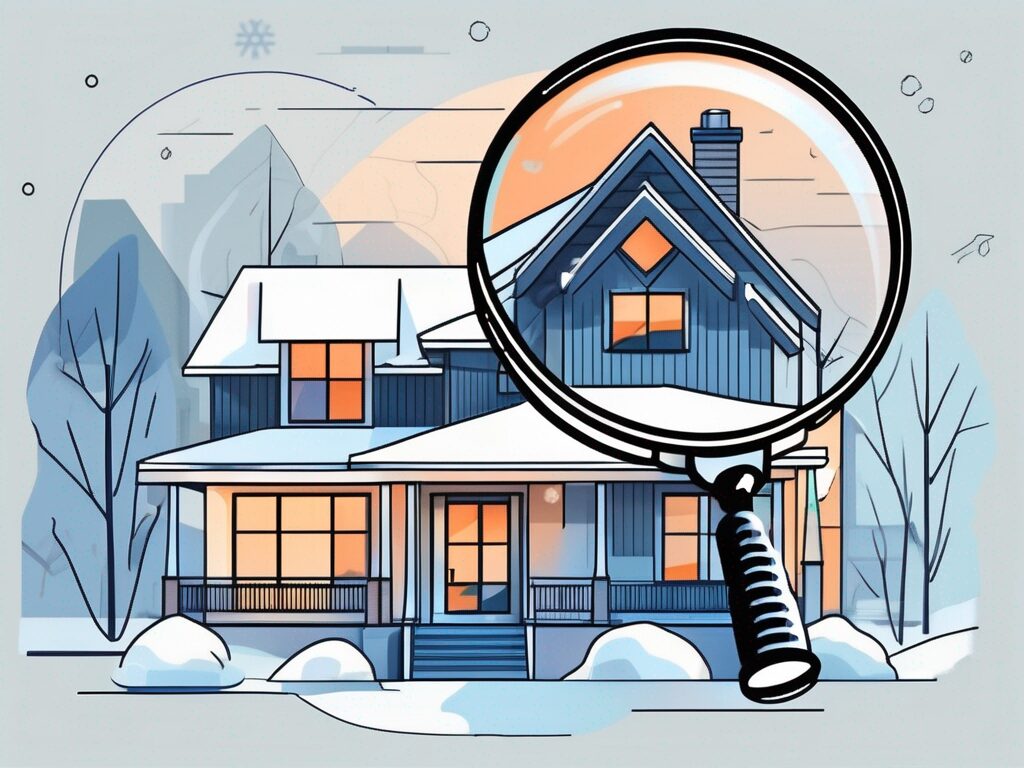
For sellers in Winter Park, it is crucial to understand the importance of a home inspection when it comes to the real estate process. A home inspection plays a vital role in ensuring that the transaction goes smoothly, and it can significantly impact the overall success of the sale. In this article, we will delve into the various aspects of the home inspection process, offering valuable insights and guidance for sellers in Winter Park.
When it comes to buying or selling a property, home inspection is an integral part of the process. A home inspection is a thorough evaluation of a property’s condition, conducted by a certified professional. It provides buyers with the necessary information to make an informed decision, and for sellers, it offers an opportunity to address any potential issues before listing their home on the market.
During a home inspection, the certified professional examines various aspects of the property, including the foundation, roof, plumbing, electrical systems, and more. They look for any signs of damage, wear and tear, or potential safety hazards. This detailed assessment helps both buyers and sellers understand the current state of the property and what repairs or maintenance may be needed.
In a real estate transaction, a home inspection serves as a crucial point of negotiation between the buyer and the seller. The findings of the inspection report can influence the final sale price and potentially affect the deal. As a seller, understanding the significance of this process can help you navigate through the transaction more effectively.
For buyers, a home inspection report provides an opportunity to request repairs or negotiate a lower price based on the condition of the property. It gives them peace of mind knowing that they are making an informed decision and not purchasing a property with hidden issues.
On the other hand, sellers benefit from a home inspection by being able to address any potential issues before listing their property. By proactively fixing problems or disclosing them upfront, sellers can avoid surprises during the negotiation process and build trust with potential buyers.
Winter Park, with its unique climate and specific property characteristics, requires special attention when it comes to home inspections. The cold winters and heavy snowfall can have an impact on the condition of the property, such as the roof, foundation, and plumbing systems.
By prioritizing a home inspection as a seller in Winter Park, you demonstrate your commitment to transparency and provide potential buyers with reassurance regarding the condition of the property. The inspection report will highlight any winter-related issues that may need attention, such as ice damming, frozen pipes, or insulation problems.
Additionally, Winter Park is known for its beautiful landscapes and outdoor amenities. A comprehensive home inspection can also include an assessment of the property’s outdoor features, such as the deck, patio, or pool area. This ensures that buyers have a complete understanding of the property’s overall condition and can make an informed decision.
In conclusion, home inspection plays a vital role in real estate transactions, providing buyers and sellers with valuable information about the condition of a property. By prioritizing a home inspection, sellers can navigate the selling process more effectively and give potential buyers confidence in their purchase. In Winter Park, where specific climate and property characteristics come into play, a thorough inspection becomes even more important to address any winter-related issues and ensure a smooth transaction.
Before the home inspection takes place, it’s essential to ensure that your property is adequately prepared. There are several tasks that you can undertake to make the inspection process go smoothly and increase the chances of a favorable outcome.
One important aspect of preparing your home for inspection is to prioritize completing any necessary repairs or maintenance tasks. By addressing these issues, you can present your property in the best possible light and increase the likelihood of a positive inspection experience.
Prioritize completing any necessary repairs or maintenance tasks to present your property in the best possible light. Address any plumbing or electrical issues, fix leaky faucets, replace light bulbs, and ensure that all appliances are in working order. By attending to these tasks in advance, you increase the likelihood of a positive inspection experience.
Additionally, consider checking and cleaning your HVAC system. A well-maintained heating and cooling system not only improves the overall comfort of your home but also demonstrates to the inspector that you have taken good care of your property.
Furthermore, don’t forget to inspect and clean your gutters and downspouts. Clogged gutters can lead to water damage and other issues, so ensuring they are clear and functioning properly is crucial.
When preparing your home for inspection, pay special attention to potential problem areas such as the roof, foundation, and basement. Inspect and repair any visible issues, such as loose shingles, cracks in the foundation, or signs of water damage. By proactively addressing these concerns, you can prevent any potential deal breakers that may arise during the inspection process.
For the roof, consider hiring a professional to inspect it thoroughly. They can identify any hidden issues that may not be immediately apparent. Additionally, make sure to clean any debris or leaves from the gutters and check for any loose or damaged shingles.
When it comes to the foundation, look for any cracks or signs of settling. If you notice any issues, it’s important to have them evaluated and repaired by a professional. A solid foundation is crucial for the overall structural integrity of your home.
In the basement, check for any signs of water damage, such as dampness or mold. Ensure that the basement is well-ventilated and consider using a dehumidifier if necessary. Addressing these issues can help prevent any potential problems during the inspection.
Remember, a well-prepared home is more likely to pass inspection with flying colors. By taking the time to address necessary repairs, perform essential maintenance tasks, and proactively address potential issues, you can increase the chances of a successful inspection and a favorable outcome.
Selecting the right home inspector is a crucial step in ensuring a thorough and accurate evaluation of your property. A home inspection is a detailed examination of a property’s condition, including its structural integrity, electrical systems, plumbing, and more. It provides you with valuable information about the property’s current state and any potential issues that may need to be addressed. When choosing a home inspector, it is important to consider the following qualities:
A reputable home inspector should possess the necessary certifications and qualifications to conduct a comprehensive inspection. Look for inspectors who have undergone formal training and have obtained certifications from recognized organizations such as the American Society of Home Inspectors (ASHI) or the International Association of Certified Home Inspectors (InterNACHI). These certifications indicate that the inspector has met certain professional standards and has the knowledge and skills required to perform a thorough inspection.
In addition to certifications, it is also important to consider the inspector’s experience and track record. Look for inspectors who have been in the industry for several years and have a solid reputation. Reading reviews and testimonials from previous clients can give you insights into the inspector’s professionalism, attention to detail, and overall quality of their work. A home inspector with a proven track record of providing accurate and reliable inspections will give you peace of mind knowing that your property is in good hands.
When choosing a home inspector, it is also beneficial to find someone who has an in-depth understanding of Winter Park’s unique property characteristics. Every region has its own set of challenges and considerations when it comes to home inspections, and Winter Park is no exception. From the impact of the local climate on the property’s condition to specific building codes and regulations that may apply, a home inspector familiar with the area will be well-equipped to identify any potential issues and provide you with a more accurate evaluation of your home.
Local knowledge is invaluable when it comes to home inspections. A home inspector familiar with the Winter Park area will have a deep understanding of the region’s housing market, construction practices, and common issues that properties in this area may face. They will be able to recognize signs of wear and tear that are specific to Winter Park homes and identify any potential red flags that may require further investigation.
Furthermore, a local home inspector will be familiar with the local building codes and regulations that govern property construction and maintenance. They will know what to look for to ensure that the property meets these standards and identify any areas of non-compliance that may need to be addressed.
Overall, choosing a home inspector with local knowledge can greatly enhance the accuracy and effectiveness of the inspection process. Their expertise and familiarity with Winter Park’s unique property characteristics will enable them to provide you with a more comprehensive evaluation of your home, helping you make informed decisions about its purchase or maintenance.
Understanding what to expect during the home inspection process can help sellers in Winter Park navigate through the experience more smoothly.
When it comes to selling a home, one of the most critical steps is the home inspection. This process allows potential buyers to thoroughly assess the property’s condition and identify any potential issues. As a seller, it’s important to be prepared and knowledgeable about what to expect during this crucial stage.
During the home inspection, the inspector will evaluate various areas of your property, including the structure, electrical systems, plumbing, HVAC, and more. They will conduct a thorough assessment, checking for any visible defects or potential problems. This evaluation may take several hours, depending on the size and complexity of your home.
Starting from the exterior, the inspector will carefully examine the roof, siding, foundation, and other structural components. They will look for signs of damage, such as cracks, leaks, or rot. Additionally, they will inspect the windows, doors, and any outdoor features like decks or patios.
Inside the house, the inspector will assess the electrical systems, ensuring that they are up to code and functioning properly. They will check the circuit breakers, outlets, and light fixtures. Plumbing will also be thoroughly examined, including faucets, toilets, and drains. The HVAC system, which includes heating, ventilation, and air conditioning, will be inspected to ensure it is in good working condition.
Furthermore, the inspector will inspect the insulation and ventilation in the attic and crawl spaces. They will assess the overall energy efficiency of the house and identify any areas that may need improvement. Additionally, they will check for signs of pests or mold, which can be detrimental to the property and its occupants.
Once the inspection is complete, the home inspector will generate a detailed report outlining their findings. This report will highlight any issues or concerns discovered during the inspection, providing both the buyer and seller with valuable information for further negotiations.
The report will include a comprehensive list of the areas that were inspected, along with detailed descriptions of any problems found. It may also include photographs or diagrams to illustrate the issues more clearly. The inspector will prioritize the problems based on their severity, indicating which ones require immediate attention and which ones can be addressed later.
It’s important to note that not all issues found during the inspection will necessarily be deal-breakers. Some problems may be minor and easily fixable, while others may require more significant repairs. The report serves as a tool for both buyers and sellers to understand the condition of the property and make informed decisions.
As a seller, it’s essential to review the inspection report carefully. This will allow you to address any necessary repairs or negotiate with the buyer regarding the issues found. It’s advisable to consult with a real estate agent or attorney to guide you through this process and ensure that your interests are protected.
In conclusion, the home inspection process is a crucial step in selling a property. By understanding what to expect during the inspection and reviewing the detailed report, sellers in Winter Park can navigate this process with confidence and make informed decisions.
After receiving the home inspection report, it’s essential to navigate the negotiation process effectively. This stage of the home buying process can be crucial in determining the final outcome of the transaction. It is a time when both the buyer and the seller need to work together to address any issues that may have been identified during the inspection.
If significant issues arise during the inspection that may deter potential buyers, it’s crucial to approach them with transparency and honesty. It is important to remember that buyers are investing a significant amount of money in a property, and they want to ensure that it is in good condition. Therefore, it is essential to address any potential deal breakers promptly and professionally.
One way to handle potential deal breakers is to consider obtaining professional opinions or estimates for repairs. This can help provide a clearer understanding of the extent of the issue and the associated costs. By doing so, you can present the buyer with accurate information, which can help facilitate a more productive negotiation process.
Furthermore, being open to negotiations is crucial in finding a mutually beneficial solution. Both parties should be willing to compromise and find common ground. This may involve discussing potential repairs or price adjustments that can help alleviate the buyer’s concerns while still being fair to the seller.
When negotiating repairs or price adjustments, it’s important to communicate openly and collaborate with the buyer. This can help build trust and create a positive atmosphere for negotiations. By actively listening to the buyer’s concerns and considering their perspective, you can work towards finding a solution that satisfies both parties.
Considerations such as market conditions and the overall condition of the property should factor into your decision-making process. It is essential to assess whether the requested repairs or price adjustments are reasonable and align with the current market value of the property. This evaluation can help ensure that the negotiation process remains fair and realistic.
The goal of negotiating repairs and price adjustments is to reach an agreement that satisfies both parties and allows the transaction to move forward smoothly. It is important to keep in mind that the ultimate objective is to close the deal successfully while maintaining a positive and professional relationship with the buyer.
In conclusion, dealing with inspection results requires careful consideration and effective communication. By approaching potential deal breakers with transparency, obtaining professional opinions, and being open to negotiations, you can navigate this stage of the home buying process successfully. Remember, the key is to find a mutually beneficial solution that satisfies both parties and ensures a smooth transaction.
To ensure a positive experience throughout the home inspection process, consider the following tips:
Avoid common mistakes, such as neglecting necessary repairs or failing to disclose known issues. Being proactive and transparent in addressing potential concerns will improve the overall inspection experience.
Maintain a cooperative attitude and willingness to work together with the buyer. By approaching the inspection process in a collaborative manner, both parties can achieve a successful outcome and move forward with the transaction.
In conclusion, as a seller in Winter Park, understanding the importance of the home inspection process is crucial for a successful transaction. By prioritizing home inspection, adequately preparing your property, selecting the right inspector, and effectively navigating the inspection results, you can ensure a smooth and satisfactory experience for both you and the buyer. By following the tips provided, you can confidently navigate the home inspection process and maximize your chances of a successful sale.

If you want the Richr team to help you save thousands on your home just book a call.
 Book a call
All information provided is deemed reliable but is not guaranteed and should be independently verified. You should consult your own professionals for financial, legal, or tax advice and conduct your own due diligence. Brokerage services are provided by Richr Homes, FL License # 1060165. Services of Richr's affiliates, Richr Insurance and Richr Title, are optional and can be used in combination or separately.