Agent A-Team or Solo Superhero? Finding the Right Real Estate Partner for Your Selling Journey in Wildwood Florida
When it comes to selling your home in Wildwood, Florida,…
January 29, 2024
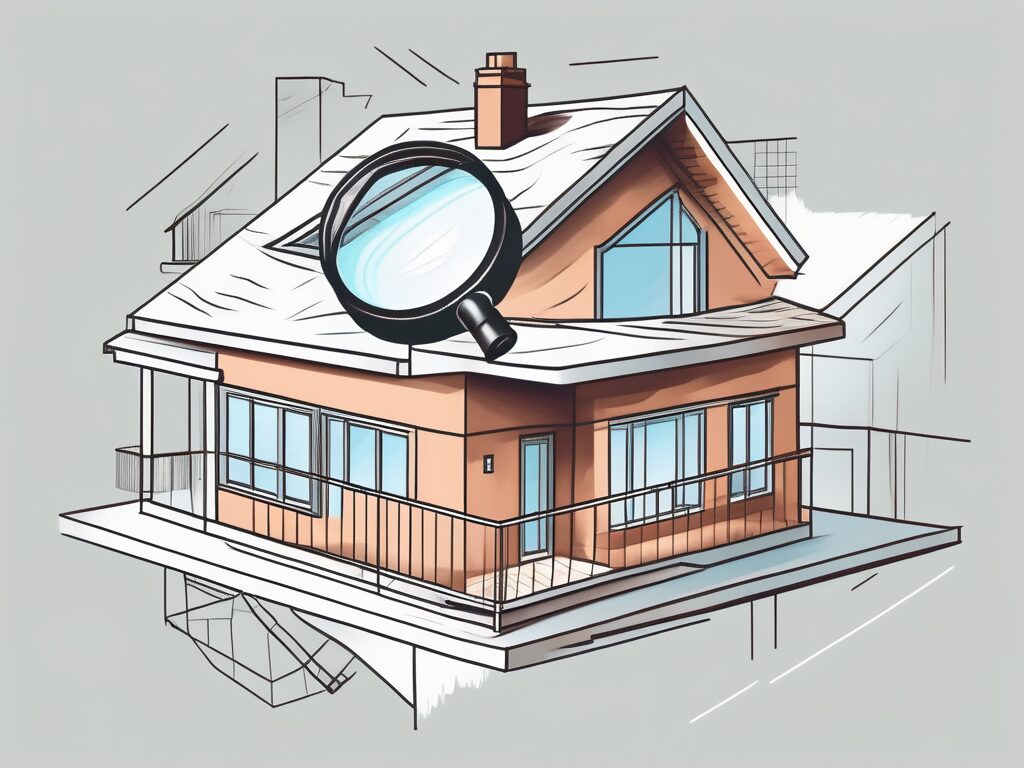
If you are in the market for buying a home, one important step that you should not overlook is getting a home inspection. A home inspection is a thorough examination of a property’s condition, conducted by a professional home inspector. This process helps to identify any issues or potential problems with the property, giving you essential information to make an informed decision before finalizing the purchase.
When it comes to home inspections, understanding their significance is crucial. A home inspection provides you with a comprehensive look at the condition of the property, giving you an opportunity to assess any potential risks or problems. It helps you gain insight into the overall condition of the home and can bring to light any hidden issues that may not be evident during a casual walkthrough.
During a home inspection, a qualified inspector will thoroughly examine the various components of the property, including the foundation, roof, electrical systems, plumbing, HVAC systems, and more. They will identify any existing problems or potential issues that may arise in the future. This detailed examination allows you to make an informed decision about whether or not to proceed with the purchase.
One of the key benefits of a home inspection is that it can save you from making a costly mistake. By uncovering hidden problems, you can avoid purchasing a property that requires extensive repairs or renovations. This can potentially save you thousands of dollars in the long run.
A home inspection plays a vital role in the buying process. It helps protect your investment and offers peace of mind by ensuring you have a clear understanding of the property’s condition. The inspection report will highlight any major or minor issues, making it easier for you to negotiate repairs or adjustments with the seller before closing the deal.
Furthermore, a home inspection can also provide you with an opportunity to learn more about the property. The inspector can offer valuable insights and recommendations on how to maintain and improve the home. They can provide guidance on energy efficiency, safety measures, and potential upgrades that can enhance the value of the property.
Additionally, a home inspection can be a valuable tool for budgeting purposes. The inspection report will give you an estimate of the potential costs associated with any necessary repairs or maintenance. This information can help you plan your finances accordingly and avoid any unexpected expenses after moving into the home.
It is important to note that a home inspection is not just for buyers. Sellers can also benefit from having a pre-listing inspection. By identifying and addressing any issues before putting the property on the market, sellers can increase their chances of selling at a higher price and with fewer complications during the negotiation process.
In conclusion, home inspections are an essential part of the buying process. They provide valuable information about the condition of the property, help protect your investment, and give you peace of mind. Whether you are a buyer or a seller, a home inspection is a wise investment that can save you time, money, and potential headaches in the future.
While home inspections are essential, it’s also important to consider the associated costs. The price of a home inspection can vary depending on various factors.
Home inspections play a vital role in the home buying process, providing buyers with a comprehensive evaluation of the property’s condition. However, it’s crucial to understand that the cost of a home inspection is not fixed and can vary significantly based on several factors.
Several factors influence the cost of a home inspection. These factors typically include the size of the property, its age, geographical location, and the complexity of the inspection.
The size of the property is a significant determinant of the inspection cost. Larger homes require more time and effort to inspect thoroughly, which can result in higher fees. On the other hand, smaller properties may have a lower inspection cost due to the reduced time and resources needed.
The age of the property also plays a role in determining the inspection cost. Older homes often require more detailed inspections as they may have experienced more wear and tear over the years. Inspectors may need to pay extra attention to the electrical systems, plumbing, and structural integrity of older properties, which can increase the overall cost.
Geographical location is another factor that affects the price of a home inspection. Inspection costs can vary from one region to another due to differences in the cost of living, market demand, and local regulations. For example, inspections in urban areas may be more expensive than in rural areas due to higher operating costs and increased competition.
The complexity of the inspection is also a significant factor in determining the cost. Some properties may have unique features or specialized systems that require additional expertise and equipment to inspect thoroughly. For instance, homes with swimming pools, extensive landscaping, or solar panels may require specialized inspections, leading to higher costs.
Additional services such as radon testing, pest inspections, or mold testing may also affect the overall cost. These additional services provide valuable information about potential hazards or issues that may not be covered in a standard home inspection. However, it’s essential to discuss these details with the home inspector upfront to get a clear idea of the expenses involved.
It’s important to note that while cost is a crucial consideration, it should not be the sole determining factor when choosing a home inspector. Quality and experience should also be taken into account to ensure a thorough and reliable inspection.
Home inspections can take a varying amount of time, depending on the property’s size and condition.
When it comes to buying a new home, a thorough home inspection is crucial. It helps you understand the condition of the property and identify any potential issues that may require attention. But how long does a home inspection actually take? Let’s dive deeper into this topic.
On average, a home inspection can last anywhere from two to four hours. However, this timeframe can vary based on several factors, such as the size of the property, its age, and its overall condition.
During a home inspection, a certified inspector will meticulously examine every aspect of the property. They will start with the exterior, carefully inspecting the foundation, walls, windows, doors, and the overall structural integrity of the house. This process may involve climbing ladders, checking for cracks or signs of water damage, and assessing the quality of the landscaping.
Once the exterior inspection is complete, the inspector will move inside the house. They will thoroughly examine each room, including the kitchen, bathrooms, bedrooms, living areas, and any additional spaces. This includes checking for any signs of water leaks, mold, or pest infestations. The inspector will also assess the condition of the flooring, walls, ceilings, and the functionality of doors and windows.
One of the critical areas that a home inspector focuses on is the roof. They will carefully inspect the roof for any signs of damage, such as missing or broken shingles, leaks, or structural issues. This is an essential step, as roof repairs or replacements can be costly.
The inspector will also evaluate the HVAC (heating, ventilation, and air conditioning) system to ensure it is functioning properly. They will check the filters, ductwork, and thermostat, and assess the overall efficiency of the system. Plumbing and electrical systems will also be thoroughly inspected, including checking for leaks, proper wiring, and the functionality of outlets and switches.
After completing the inspection, the inspector will provide you with a detailed report outlining their findings. This report will include photographs, descriptions of any issues found, and recommendations for repairs or further evaluations by specialists if necessary. It’s important to carefully review this report and discuss any concerns with your real estate agent or the inspector.
Keep in mind that while a home inspection is a crucial step in the home buying process, it does not cover every aspect of the property. Inspectors are not experts in every field, so if you have specific concerns, it may be necessary to hire specialized inspectors, such as structural engineers or pest control experts, for a more in-depth evaluation.
In conclusion, a home inspection typically takes two to four hours, depending on the size and condition of the property. It is a comprehensive process that covers various aspects of the home, including the exterior, interior, roof, HVAC system, plumbing, and electrical systems. The detailed report provided by the inspector will help you make informed decisions about the property and negotiate any necessary repairs or adjustments with the seller.
When it comes to hiring a home inspector, the responsibility usually falls on the buyer. However, it is important to understand the parties involved in the home inspection process and the factors to consider when selecting a home inspector.
The home inspection process involves several parties, including the buyer, seller, real estate agents, and the home inspector. While the buyer typically hires and pays for the home inspector, it is crucial to have a clear understanding of everyone’s roles and responsibilities.
Firstly, the buyer is responsible for initiating the home inspection. This step is essential as it allows the buyer to gain a comprehensive understanding of the property’s condition before finalizing the purchase. By hiring a home inspector, the buyer can identify any potential issues or defects that may affect the value or safety of the property.
Real estate agents also play a role in the home inspection process. They can provide recommendations for reputable home inspectors based on their experience and knowledge of the local market. However, it is important to note that the final decision rests with the buyer. It is advisable for buyers to conduct their own research and interview multiple home inspectors to ensure they find the right professional for the job.
Now, let’s delve into the factors to consider when selecting a home inspector. It is crucial to choose a reputable and qualified home inspector who is certified and experienced in conducting thorough inspections. A certified home inspector has undergone training and has met specific industry standards, ensuring they have the necessary knowledge and expertise to assess a property.
Experience is another essential factor to consider. An experienced home inspector will have a better understanding of potential issues that may arise in different types of properties. They will know where to look for hidden problems and will be able to provide a more accurate assessment of the property’s condition.
Additionally, it is important to ensure that the home inspector has the necessary tools and equipment to conduct a comprehensive inspection. They should use modern technology, such as thermal imaging cameras and moisture meters, to detect any hidden issues that may not be visible to the naked eye.
Lastly, it is crucial to review the home inspector’s credentials and references. Look for reviews and testimonials from previous clients to get an idea of their professionalism and the quality of their work. By doing thorough research and due diligence, you can select a home inspector who will provide you with a detailed and accurate assessment of the property.
In conclusion, while the responsibility of hiring and paying for a home inspector usually falls on the buyer, it is essential to understand the various parties involved in the home inspection process. By considering factors such as certification, experience, equipment, and references, buyers can make an informed decision and select a home inspector who will provide a thorough assessment of the property.
When it comes to choosing a home inspector, there are several qualities to look for to ensure you make the right choice.
Buying a home is a significant investment, and having a thorough inspection is crucial to uncover any potential issues or hidden problems. A qualified home inspector can provide you with valuable insights into the condition of the property and help you make an informed decision.
So, what qualities should you look for when vetting a home inspector?
First and foremost, make sure the home inspector is licensed and certified. This ensures that they have met the necessary requirements and have the knowledge and expertise to perform a comprehensive inspection. A licensed home inspector has undergone rigorous training and has demonstrated their competence in the field.
Experience is another crucial factor to consider. Look for a home inspector who has a solid track record and relevant experience in the industry. Experienced inspectors have encountered a wide range of issues and are better equipped to identify potential problems that may not be apparent to the untrained eye.
Furthermore, a good home inspector should possess in-depth knowledge of construction and building systems. They should be familiar with the latest building codes, regulations, and industry standards. This knowledge allows them to assess the property thoroughly and identify any areas that may require attention or repairs.
Effective communication skills are also essential when selecting a home inspector. A professional inspector should be able to clearly explain their findings and answer any questions you may have. They should be able to provide you with a detailed report that outlines their observations, including both the positive aspects of the property and any potential issues.
Attention to detail is a quality that cannot be overlooked. A meticulous home inspector will leave no stone unturned, carefully examining every aspect of the property. They will inspect the foundation, roof, electrical systems, plumbing, HVAC, and more. By paying close attention to even the smallest details, they can identify any underlying problems that may impact the property’s value or safety.
Lastly, a good home inspector should be approachable and willing to address your concerns. They should be patient and take the time to explain their findings in a way that you can understand. A reputable inspector will encourage you to accompany them during the inspection process, allowing you to ask questions and gain a better understanding of the property’s condition.
Remember, choosing the right home inspector is a crucial step in the home buying process. By considering these qualities and conducting thorough research, you can find a qualified professional who will provide you with peace of mind and confidence in your investment.
While attending a home inspection is not mandatory, it can offer valuable insights and benefits.
Being present during a home inspection allows you to see first-hand any issues the inspector discovers, giving you a clearer understanding of their severity. It also presents an opportunity to ask questions and learn about the property’s maintenance requirements. However, it’s important to note that being present during the inspection may prolong the process, and some inspectors prefer to work without the buyer present. It’s best to discuss your preference with your inspector in advance.
Even the most thorough home inspectors can overlook certain issues, as some problems may be hidden or not immediately visible.
If you discover problems after the inspection that were not identified by your home inspector, there are steps you can take. Contact your home inspector to discuss the issue and ask for their professional opinion. Depending on the situation, you may need to consult with a specialist or contractor for further evaluation. It’s important to address any concerns promptly to protect your investment and ensure the property meets your expectations.
In conclusion, a home inspection is a crucial step in the home-buying process. It provides valuable insights into the condition of the property and allows you to make an informed decision. Understanding the importance of home inspections, considering the associated costs, and choosing a reputable home inspector are all essential factors to consider. Additionally, attending the inspection and knowing how to handle missed issues are important aspects of the process. By following these guidelines and being proactive throughout the inspection process, you can make a confident and well-informed choice when purchasing a home.

If you want the Richr team to help you save thousands on your home just book a call.
 Book a call
All information provided is deemed reliable but is not guaranteed and should be independently verified. You should consult your own professionals for financial, legal, or tax advice and conduct your own due diligence. Brokerage services are provided by Richr Homes, FL License # 1060165. Services of Richr's affiliates, Richr Insurance and Richr Title, are optional and can be used in combination or separately.