Agent A-Team or Solo Superhero? Finding the Right Real Estate Partner for Your Selling Journey in Wildwood Florida
When it comes to selling your home in Wildwood, Florida,…
January 29, 2024
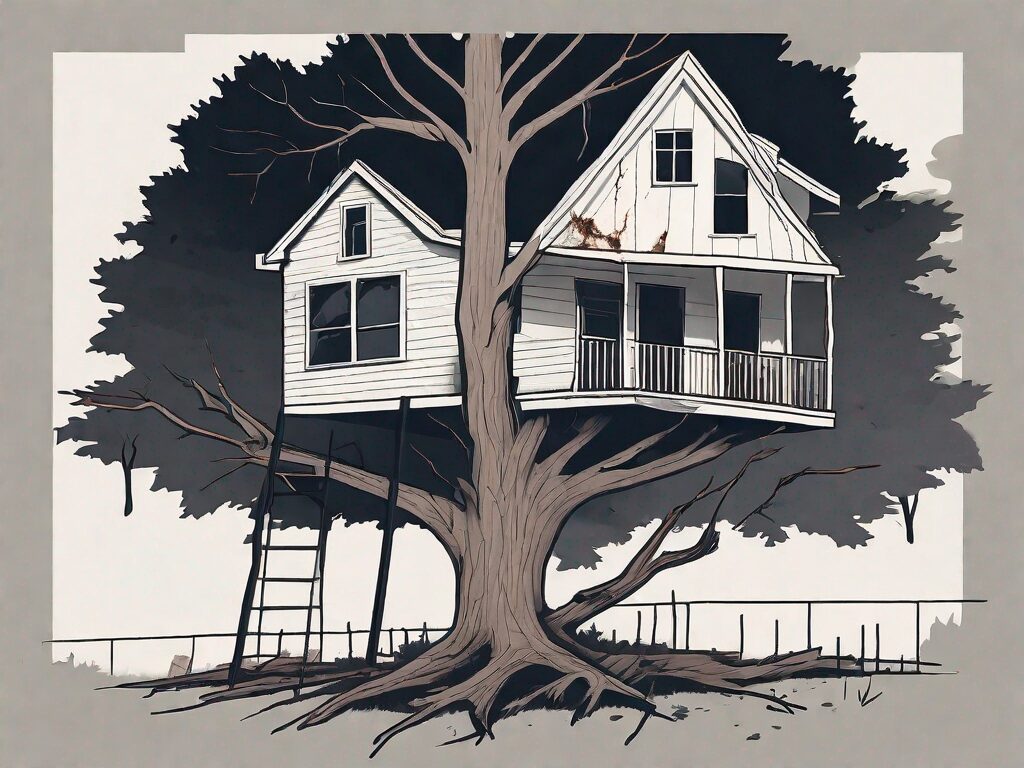
Selling a house can be a complex process, especially when it comes to disclosing any issues with the property. One issue that often arises is the presence of a dead or dying tree on the premises. Not only can this become an eyesore for potential buyers, but it can also pose a safety risk. In this article, we will explore the implications of selling a house with a dead tree and discuss who is responsible for its removal.
When selling a house, it is crucial to make accurate and complete disclosures about the property. This includes any potential risks or hazards, such as dead trees. Failure to disclose such information can not only lead to legal consequences but also tarnish your reputation as a seller.
When it comes to dead or dying trees, the risks involved can vary. If a tree poses an immediate danger, such as being at risk of falling onto the house or causing harm to individuals, it is essential to address the issue promptly. However, if the tree is simply dead and not posing an imminent threat, the risks may be less severe.
An arborist or tree specialist can assess the condition of the tree and provide a professional opinion on the associated risks. Having this information will enable you to make informed decisions regarding disclosure and removal.
It is important to note that dead trees can have various impacts on a property. For instance, they can affect the overall aesthetic appeal of the landscape. Potential buyers may be deterred by the sight of dead trees, as they can give the impression of neglect or lack of maintenance. Therefore, disclosing the presence of dead trees allows potential buyers to consider this aspect and make an informed decision.
Furthermore, dead trees can also have an impact on the property’s value. A well-maintained and visually appealing landscape can significantly increase the value of a property. On the other hand, the presence of dead trees can decrease the perceived value and make it more challenging to sell the property at the desired price. By disclosing the presence of dead trees, you are providing potential buyers with a complete picture of the property’s condition and enabling them to make an informed decision about its value.
In some cases, dead trees can also pose risks to the property itself. For example, if a dead tree is located close to the house, its branches or trunk may fall and cause damage to the roof, windows, or other structures. This can result in costly repairs and potential safety hazards. By disclosing the presence of dead trees, you are not only protecting yourself from potential legal consequences but also ensuring the safety and well-being of the future occupants of the property.
It is worth mentioning that the disclosure of dead trees should not be limited to the immediate vicinity of the house. Trees located near driveways, walkways, or other areas where people frequently pass by should also be included in the disclosure. This is because dead trees in these areas can pose risks to pedestrians or vehicles, and potential buyers need to be aware of such hazards.
In conclusion, disclosing the presence of dead trees on a property is essential when selling a house. It allows potential buyers to assess the risks, consider the impact on the property’s value, and make informed decisions. By providing accurate and complete disclosures, you not only protect yourself from legal consequences but also maintain your reputation as a responsible and trustworthy seller.
During the home inspection process, the condition of trees on the property will inevitably be assessed. This is particularly important for dead or dying trees, as they can significantly impact the value of the property.
If a home inspector identifies a dead tree, they will likely recommend further evaluation by a tree specialist. This expert can provide more insight into the tree’s condition, potential risks, and the need for removal.
When it comes to dead trees, there are several factors that need to be considered. Firstly, the location of the tree is crucial. If the tree is positioned near the house or any structures, it can pose a serious risk. Dead trees are more prone to falling, especially during storms or high winds. The weight of the tree combined with the force of the wind can lead to significant damage to the property.
Furthermore, dead trees can also attract pests and insects. As the tree decays, it becomes a breeding ground for various types of insects, including termites, carpenter ants, and beetles. These pests can eventually make their way into the house, causing further damage and potentially compromising the structural integrity of the property.
Another aspect to consider is the impact of dead trees on the overall aesthetics of the property. Trees are not only functional but also add beauty and value to a home. Dead or dying trees can be an eyesore and detract from the overall appeal of the property. Potential buyers may be put off by the presence of dead trees, affecting the marketability of the home.
During a home inspection, the tree specialist will thoroughly examine the dead tree, assessing its overall health, structural stability, and potential risks. They will inspect the trunk, branches, and roots to determine the extent of decay and any signs of disease or infestation. Additionally, they will evaluate the proximity of the tree to the house and other structures, taking into account any potential hazards.
Based on their evaluation, the tree specialist will provide recommendations on whether the tree should be removed or if any remedial measures can be taken. In some cases, pruning or trimming may be sufficient to mitigate risks and prolong the life of the tree. However, if the tree is severely decayed, diseased, or poses an immediate threat, removal may be the only viable option.
It is important for homeowners to address dead trees promptly to avoid potential hazards and maintain the value of their property. Regular tree maintenance, including pruning and inspection, can help identify and address issues before they become more severe. Consulting with a tree specialist during the home inspection process can provide valuable insights and ensure the safety and aesthetics of the property.
While the immediate response to a dead tree may be to remove it, it is worth considering whether saving the tree is a viable option. Trees play a vital role in the environment and can enhance the overall appeal of a property.
When it comes to saving a sick tree, there are several factors to consider. Before deciding on removal, it is necessary to determine if the tree is truly beyond saving. Consulting with an arborist can help diagnose any potential diseases or pests plaguing the tree. These experts have the knowledge and experience to identify the underlying issues and recommend appropriate treatment options.
Diagnosing a sick tree involves a careful examination of its leaves, branches, and trunk. Signs of disease or infestation may include discoloration, wilting leaves, unusual growths, or the presence of pests. By identifying the specific problem, arborists can develop a tailored treatment plan to address the issue and restore the tree’s health.
Before deciding on removal, it is necessary to determine if the tree is truly beyond saving. Consulting with an arborist can help diagnose any potential diseases or pests plaguing the tree. With proper treatment, it may be possible to revive the tree and restore its health.
Once a diagnosis is made, treatment options can vary depending on the severity of the problem. In some cases, simple measures such as pruning off affected branches or improving soil conditions may be sufficient to nurse the tree back to health. For more complex issues, arborists may recommend specialized treatments, such as injecting pesticides or fungicides directly into the tree’s vascular system.
It is important to note that saving a sick tree requires patience and ongoing care. Regular monitoring and follow-up treatments may be necessary to ensure the tree’s long-term survival. By investing time and effort into saving a tree, you not only preserve its beauty but also contribute to the overall health of the ecosystem.
A comprehensive inspection of the tree should cover various aspects, including its overall health, structural stability, and potential for future growth. This thorough evaluation ensures you have a complete understanding of the tree’s condition and can make an informed decision regarding its fate.
During a tree inspection, arborists assess the tree’s overall health by examining its foliage, bark, and root system. They look for signs of disease, decay, or structural issues that may compromise its stability. Additionally, they evaluate the tree’s growth patterns and consider factors such as proximity to buildings or power lines, which can affect its long-term viability.
By conducting a comprehensive tree inspection, you gain valuable insights into the tree’s current state and its potential for recovery. This information allows you to weigh the benefits and risks of saving the tree versus removing it, taking into account factors such as safety, aesthetics, and environmental impact.
If the tree is indeed a risk, there are steps you can take to mitigate the potential danger. Pruning off dead branches, for example, can reduce the risk of them falling and causing harm. However, these measures may only postpone the inevitable removal of the tree.
In some cases, a tree may be structurally compromised to the point where it poses a significant risk of falling. This can be particularly concerning if the tree is located near buildings, roads, or areas frequented by people. In such situations, it is crucial to prioritize safety and take appropriate action to prevent accidents.
Professional tree care companies can assist in safely removing hazardous trees and minimizing the risk to surrounding areas. Their expertise in tree removal ensures that the process is carried out efficiently and without causing further damage. Additionally, they can offer guidance on suitable replacement trees that can be planted to maintain the ecological balance and aesthetic appeal of the area.
While saving a tree is often the desired outcome, it is essential to consider all factors involved. By consulting with arborists, conducting comprehensive inspections, and prioritizing safety, you can make informed decisions regarding the fate of trees on your property. Remember, each tree plays a unique role in the ecosystem, and preserving their beauty and benefits should be a collective effort.
Once the decision to remove a dead tree has been made, it is essential to understand the process involved. This ensures a smooth removal and prevents any negative impact on the property sale.
Tree removal is a complex task that requires careful planning and execution. It is not as simple as chopping down a tree and hauling it away. There are several steps involved in the process, each requiring specialized knowledge and equipment.
The first step in tree removal is assessing the tree’s condition and determining the best approach. This involves inspecting the tree for signs of decay, disease, or structural damage. A certified arborist will evaluate the tree’s health and make recommendations based on their findings.
Once the assessment is complete, the next step is obtaining the necessary permits. In many areas, tree removal requires permission from the local authorities. This is to ensure that the removal is done safely and in compliance with any regulations or restrictions that may be in place.
After obtaining the permits, the actual removal process can begin. This typically involves cutting the tree down in sections to prevent damage to surrounding structures and vegetation. Specialized equipment such as chainsaws, ropes, and cranes may be used to safely bring the tree down.
Once the tree is down, the next step is removing the debris. This includes not only the tree trunk and branches but also any roots or stumps that may be left behind. Stump grinding is often necessary to completely remove the tree’s remains and restore the area to its original condition.
When selling a house, timing is critical. If a dead tree removal is necessary, it is best to schedule it in a way that does not interfere with the sale process. This includes coordinating with your real estate agent, potential buyers, and any contractors involved in the removal.
Furthermore, it is important to consider the cost of tree removal. This expense can vary depending on factors such as the size of the tree, its location, and any additional services required, such as stump grinding.
Selling a house with a dead tree can have significant implications. Accurate disclosure and timely removal of the tree are essential to maintain the integrity of the sale process and ensure the safety of potential buyers. By engaging with tree specialists and following proper procedures, you can navigate this issue effectively and successfully complete the sale of your property.
In addition to the practical considerations, it is worth noting the environmental benefits of tree removal. Dead trees can become a breeding ground for pests and diseases, which can spread to other healthy trees in the area. Removing dead trees helps to prevent the spread of these issues and promotes the overall health of the ecosystem.
Furthermore, tree removal can also enhance the aesthetic appeal of your property. Dead trees can be unsightly and detract from the overall beauty of the landscape. By removing them, you can create a more visually pleasing environment that will attract potential buyers.
It is important to note that tree removal should always be done by professionals. Attempting to remove a tree yourself can be dangerous and may result in injury or property damage. Certified arborists have the knowledge, skills, and equipment necessary to safely and efficiently remove trees, ensuring a smooth process and minimizing any potential risks.
In conclusion, understanding the process of tree removal is crucial when faced with the task of removing a dead tree from your property. By following the proper procedures, coordinating with relevant parties, and engaging with tree specialists, you can ensure a smooth removal process that does not negatively impact your property sale. Remember, tree removal not only benefits the sale process but also contributes to the overall health and aesthetics of your property and the surrounding environment.

If you want the Richr team to help you save thousands on your home just book a call.
 Book a call
All information provided is deemed reliable but is not guaranteed and should be independently verified. You should consult your own professionals for financial, legal, or tax advice and conduct your own due diligence. Brokerage services are provided by Richr Homes, FL License # 1060165. Services of Richr's affiliates, Richr Insurance and Richr Title, are optional and can be used in combination or separately.