Agent A-Team or Solo Superhero? Finding the Right Real Estate Partner for Your Selling Journey in Wildwood Florida
When it comes to selling your home in Wildwood, Florida,…
January 29, 2024
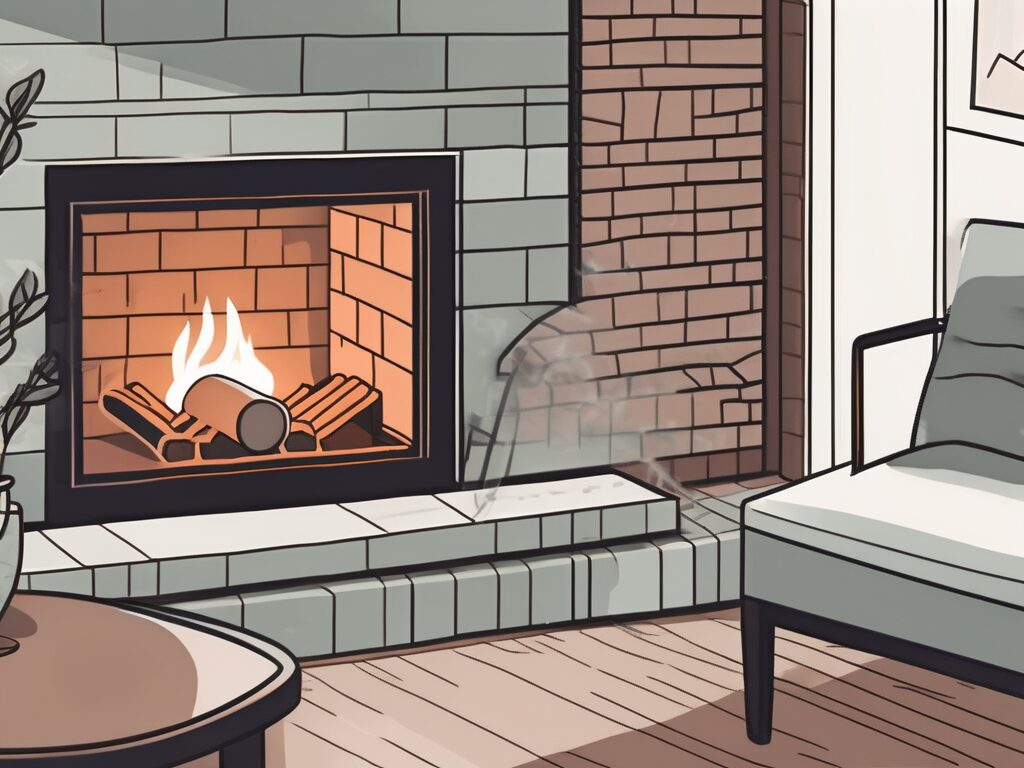
Fireplaces add warmth and charm to any home, but they can also pose serious risks if not properly maintained. That’s why regular fireplace inspections are essential for ensuring the safety of your home and loved ones. In this article, we will explore the key features to look for during fireplace inspections and why they are crucial in maintaining a safe and secure environment.
As the saying goes, “prevention is better than cure.” This applies perfectly to fireplace inspections. Regular inspections help identify potential issues before they escalate into major problems. But what are the essential features to check during these inspections?
When it comes to fireplace inspections, there are several key features that need to be thoroughly examined to ensure the safety and functionality of your fireplace. These features include the chimney structure, flue liners, and components of the firebox.
Chimney inspections come in different levels. Level 1 inspections are the most basic and are recommended for systems that have been regularly used without any noticeable changes. During a level 1 inspection, a qualified professional will visually inspect the chimney from the exterior, checking for any signs of damage or deterioration. They will also assess the condition of the flue liners to ensure they are intact and functioning properly.
On the other hand, level 2 inspections are more thorough and include a visual examination of the chimney’s interior and exterior, as well as an inspection of accessible areas in attics and crawlspaces. This level of inspection is recommended when there have been changes to the system, such as a new appliance installation or a chimney fire. A level 2 inspection provides a more comprehensive assessment of the chimney’s condition, allowing the inspector to identify any potential hazards or issues that may compromise the safety of the fireplace.
Level 3 inspections are the most comprehensive and are carried out when there is suspicion of major damage or hidden hazards. This level of inspection may involve the removal of certain components of the chimney or building structure to gain access to areas that are not easily visible. Level 3 inspections are typically recommended when there has been a chimney fire or when the chimney has sustained significant damage.
Regardless of the level of inspection, a qualified professional will assess various components, including the chimney structure, flue liners, and components of the firebox. The condition of these features will determine the safety and functionality of your fireplace.
During the inspection, the chimney structure will be carefully examined for any signs of cracks, deterioration, or structural issues. The inspector will also check for proper clearance between the chimney and any combustible materials, such as wood framing or insulation. Any damage or structural issues found during the inspection will need to be addressed to ensure the safety of the fireplace.
The flue liners, which are responsible for directing the combustion byproducts out of the chimney, will also be inspected. The inspector will check for any signs of damage or deterioration, such as cracks or missing sections. Damaged or deteriorated flue liners can lead to a buildup of creosote, a highly flammable substance, increasing the risk of a chimney fire. If any issues are found with the flue liners, they will need to be repaired or replaced to ensure proper ventilation and safety.
Components of the firebox, including the hearth, damper, and smoke chamber, will also be thoroughly examined during the inspection. The hearth, which is the floor of the firebox, will be checked for any cracks or damage that could compromise its ability to withstand high temperatures. The damper, which controls the airflow through the chimney, will be inspected to ensure it is functioning properly. The smoke chamber, located above the firebox, will be examined for any signs of deterioration or blockages that could hinder the proper venting of smoke and gases.
In addition to these essential features, the inspector may also assess other components of the fireplace system, such as the chimney cap, crown, and flashing. The chimney cap, which is installed at the top of the chimney, helps prevent water, debris, and animals from entering the chimney. The crown, which is the topmost part of the chimney structure, will be checked for any signs of cracks or damage that could lead to water penetration. The flashing, which is the metal strip that seals the joint between the chimney and the roof, will be inspected to ensure it is properly installed and in good condition.
Overall, fireplace inspections are crucial for maintaining the safety and functionality of your fireplace. By thoroughly examining the chimney structure, flue liners, and components of the firebox, a qualified professional can identify any potential issues or hazards that may need to be addressed. Regular inspections and necessary repairs or maintenance will help ensure that your fireplace operates efficiently and safely for years to come.
As fireplace inspections are conducted, certain common findings tend to arise. Being aware of these findings can help homeowners better understand the importance of regular inspections. Let’s explore a few of them:
Creosote is a highly flammable byproduct of burning wood. Over time, it accumulates in the chimney, forming a sticky, tar-like substance. Creosote buildup can ignite and cause a dangerous chimney fire. Regular inspections help detect and remove excessive creosote, reducing the risk of such fires. Professionals will use specialized tools to scrape away the buildup, ensuring that your chimney is free from potentially hazardous blockages.
During a fireplace inspection, the technician will carefully assess the level of creosote buildup in your chimney. They will inspect the flue, the inner lining of the chimney, and the smoke chamber to determine the extent of the problem. If excessive creosote is found, the technician will explain the potential dangers and recommend a thorough cleaning to remove the buildup.
Removing creosote requires expertise and the right tools. The technician will use brushes, scrapers, and vacuums to effectively remove the sticky substance. They will ensure that all creosote is cleared from the chimney, leaving it clean and safe for future use.
Obstructions in the chimney, such as bird nests or fallen debris, can create significant safety hazards. These obstructions can prevent smoke from properly venting, leading to a buildup of harmful carbon monoxide inside your home. During inspections, professionals will thoroughly check for obstructions and promptly remove them to ensure a clear and safe chimney passage.
When conducting a chimney inspection, the technician will carefully examine the chimney from top to bottom. They will look for any signs of obstructions, such as nesting materials, leaves, or debris. If an obstruction is found, the technician will take immediate action to remove it.
Removing obstructions requires caution and precision. The technician will use specialized tools, such as chimney brushes and rods, to dislodge and remove any blockages. They will ensure that the chimney is completely clear, allowing for proper ventilation and reducing the risk of carbon monoxide buildup.
Structural issues, such as cracks or gaps in the chimney, can compromise the integrity of the entire system. These issues may allow heat, smoke, or even flames to escape into areas where they shouldn’t be. During inspections, professionals will carefully examine the chimney’s structure for any signs of damage, ensuring that necessary repairs are made to maintain fireplace safety.
During a fireplace inspection, the technician will inspect the exterior and interior of the chimney for any structural issues. They will look for cracks, gaps, or deteriorated mortar that could pose a safety risk. If any damage is found, the technician will provide a detailed assessment and recommend appropriate repairs.
Repairing structural issues requires expertise and knowledge of masonry work. The technician will explain the necessary repairs and discuss the options available to you. They may recommend tuckpointing, which involves replacing damaged mortar, or even rebuilding sections of the chimney if the damage is severe. By addressing structural issues promptly, you can ensure the safety and functionality of your fireplace.
The cost of a fireplace inspection typically depends on various factors, such as the level of inspection required and the region in which you reside. On average, a level 1 inspection can cost between $100 and $250, while a level 2 inspection might range from $150 to $500. Level 3 inspections, being the most comprehensive and time-consuming, can cost upwards of $1000. Despite the potential costs, the peace of mind and safety that come with regular inspections far outweigh any financial investment.
When it comes to fireplace inspections, it’s important to understand the different levels of inspection. A level 1 inspection is the most basic and is recommended for fireplaces that have not undergone any significant changes and are in good working condition. This inspection involves a visual examination of the accessible portions of the fireplace and chimney, ensuring that there are no visible signs of damage or blockages.
On the other hand, a level 2 inspection is more thorough and is typically recommended when there have been changes made to the fireplace or chimney, such as the installation of a new appliance or a change in fuel type. This level of inspection includes all the elements of a level 1 inspection, but also involves the use of specialized tools, such as a camera, to inspect the internal structure of the chimney. It helps identify any hidden issues, such as cracks, leaks, or blockages that may pose a safety hazard.
For older homes or fireplaces that have experienced a chimney fire, a level 3 inspection is necessary. This level of inspection is the most comprehensive and involves removing certain components of the fireplace or chimney to gain access to concealed areas. It may require the use of specialized equipment and can be a time-consuming process. However, it provides a detailed assessment of the chimney’s condition, ensuring that any potential risks are identified and addressed.
It’s worth noting that the cost of a fireplace inspection can vary depending on your location. Factors such as the local market, the availability of certified inspectors, and the demand for their services can influence the pricing. Additionally, the complexity of the fireplace and chimney system, as well as any additional services required, such as cleaning or repairs, can also impact the overall cost.
While the cost of a fireplace inspection may seem like an additional expense, it is essential for the safety and functionality of your fireplace. Regular inspections can help detect and prevent potential hazards, such as chimney fires, carbon monoxide leaks, or structural issues. By investing in a professional inspection, you can ensure that your fireplace operates efficiently and safely, providing warmth and comfort for years to come.
If you’re planning to sell your home, a fireplace inspection is crucial to ensure a smooth transaction. Buyers are often concerned about the safety and functionality of fireplaces, and a comprehensive inspection report can provide them with reassurance. By addressing any potential issues beforehand, you increase your chances of selling your home quickly and at the desired price.
When it comes to selling a home, first impressions matter. A fireplace can be a charming focal point that adds warmth and character to a living space. However, if the fireplace is not in proper working condition, it can become a liability rather than an asset. Buyers want to know that the fireplace is safe to use and that it will function as intended.
A professional fireplace inspection can identify any hidden issues that may not be immediately apparent to the untrained eye. This includes checking for cracks in the chimney, loose bricks, or damaged flue liners. These problems, if left unaddressed, can lead to smoke backdrafts, chimney fires, or even carbon monoxide leaks. By having a thorough inspection, you can ensure that your fireplace is in optimal condition, giving potential buyers peace of mind.
During the inspection process, the inspector will also check the fireplace damper, which controls the airflow and prevents drafts when the fireplace is not in use. A faulty damper can result in heat loss and increased energy bills. By having the damper inspected and repaired if necessary, you can demonstrate to buyers that your home is energy-efficient and well-maintained.
In addition to safety and functionality, the aesthetic appeal of the fireplace is also important to buyers. A fireplace that has been neglected or shows signs of wear and tear can be a turn-off. An inspection can help identify cosmetic issues such as soot stains, cracked hearths, or outdated mantels. Addressing these issues before listing your home can significantly improve its overall presentation and make it more appealing to potential buyers.
Furthermore, having a recent fireplace inspection report to share with potential buyers can give you a competitive edge in the real estate market. It shows that you have taken the necessary steps to ensure the safety and functionality of your home, giving buyers confidence in their investment. This can help you negotiate a higher selling price and attract more interested buyers.
Overall, a fireplace inspection is a crucial step for sellers looking to maximize the value of their home and streamline the selling process. By addressing any potential issues and providing buyers with a comprehensive inspection report, you can instill confidence and peace of mind, making your home more desirable in the competitive real estate market.
So, how often should you schedule a fireplace inspection? The National Fire Protection Association recommends annual inspections for cleanliness, soundness, and the absence of obstruction and creosote buildup. Regular inspections not only ensure the ongoing safety of your home but also help identify and resolve any emerging issues promptly.
When it comes to fireplace inspections, it is crucial to understand the key features that professionals look for. During an inspection, experts will thoroughly examine the cleanliness of the fireplace and chimney. They will check for any debris, such as leaves or animal nests, that may have accumulated and could potentially cause a fire hazard. Additionally, they will inspect the soundness of the fireplace structure, ensuring that there are no cracks or loose bricks that could lead to structural instability.
Another important aspect of a fireplace inspection is the evaluation of creosote buildup. Creosote is a highly flammable substance that can accumulate inside the chimney over time. It is formed when wood or fossil fuels are burned, and if left unattended, it can lead to chimney fires. During the inspection, professionals will assess the level of creosote buildup and recommend appropriate cleaning measures if necessary.
Regular fireplace inspections not only help maintain the safety of your home but also provide an opportunity to identify and address any emerging issues promptly. By detecting potential problems early on, you can prevent costly repairs and ensure that your fireplace continues to function efficiently. Inspections also allow professionals to provide valuable advice on fireplace maintenance, such as proper wood-burning techniques and the use of appropriate fuel.
In conclusion, fireplace inspections are a vital part of home maintenance. By understanding the key features to look for during inspections, uncovering common findings, and recognizing the importance of regular inspections, you can keep your home safe and secure while enjoying the warmth and ambiance that fireplaces provide.

If you want the Richr team to help you save thousands on your home just book a call.
 Book a call
All information provided is deemed reliable but is not guaranteed and should be independently verified. You should consult your own professionals for financial, legal, or tax advice and conduct your own due diligence. Brokerage services are provided by Richr Homes, FL License # 1060165. Services of Richr's affiliates, Richr Insurance and Richr Title, are optional and can be used in combination or separately.