Agent A-Team or Solo Superhero? Finding the Right Real Estate Partner for Your Selling Journey in Wildwood Florida
When it comes to selling your home in Wildwood, Florida,…
January 29, 2024
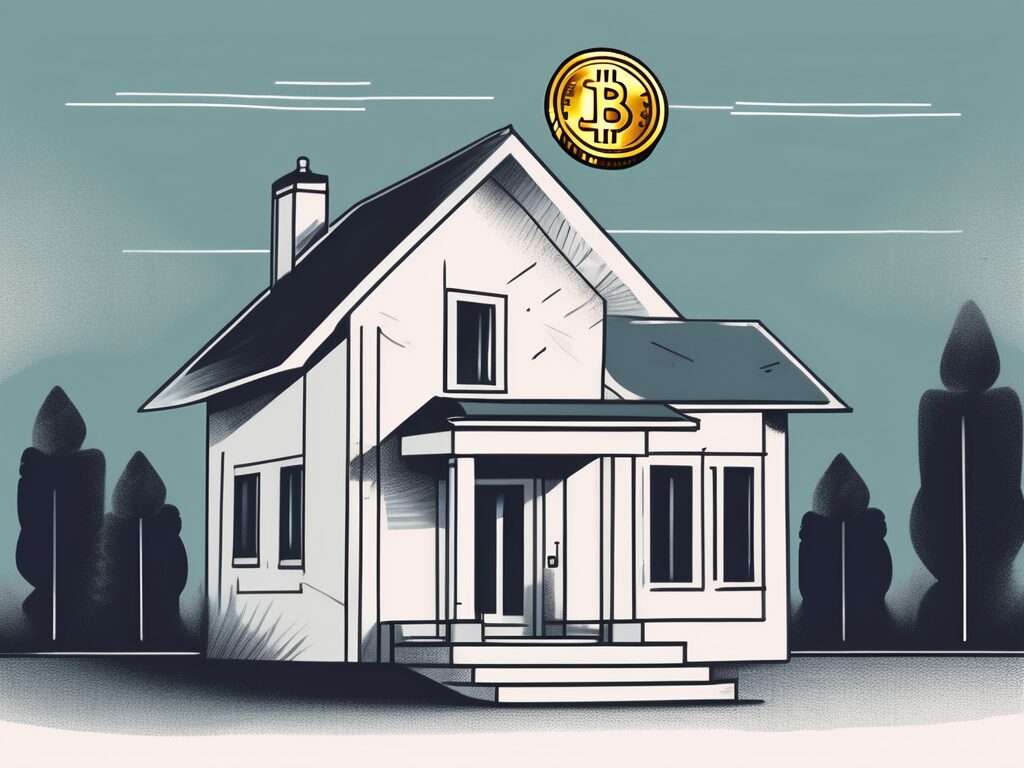
In the world of homebuying, one of the most critical aspects to consider is your mortgage down payment. This initial payment not only affects the amount you need to borrow, but it also impacts several other factors throughout the homebuying process. Many experts suggest aiming for a down payment of 20% of the property’s purchase price for various reasons. However, understanding the impact of your down payment and exploring alternative options is essential to make an informed decision when embarking on your homeownership journey.
When it comes to mortgages, your down payment plays a significant role in determining various aspects of your loan. One key relationship to consider is between your down payment and your debt-to-income ratio. This ratio compares your monthly debt payments to your overall income and helps lenders assess your ability to handle additional debt. A higher down payment can reduce your debt-to-income ratio, making it more likely for lenders to approve your loan.
A lower debt-to-income ratio demonstrates financial stability and reduces the risk for lenders. By aiming for a 20% down payment, you can decrease the loan amount and, in turn, lower your monthly mortgage payment. This reduction in debt can significantly impact your debt-to-income ratio, potentially improving your chances of loan approval and securing more favorable loan terms, such as lower interest rates.
Moreover, a higher down payment not only affects your debt-to-income ratio but also has other financial benefits. For instance, it can help you save money in the long run by reducing the overall interest paid over the life of the loan. With a larger down payment, you are borrowing less money, resulting in lower interest charges. This can lead to substantial savings over the course of your mortgage.
Furthermore, a higher down payment can also eliminate the need for private mortgage insurance (PMI). PMI is typically required for borrowers who put down less than 20% of the home’s purchase price. By avoiding PMI, you can save money on your monthly mortgage payment. This extra money can be used for other financial goals, such as investing, saving for retirement, or making home improvements.
Having a substantial down payment can also provide you with an advantage during negotiations with sellers. A larger down payment demonstrates your commitment and financial capability, making you a more desirable buyer. Sellers may be more willing to negotiate on the price or make concessions when they see that you have a significant stake in the purchase.
Additionally, a higher down payment can give you more flexibility when it comes to choosing the type of mortgage you want. With a larger down payment, you may qualify for different loan programs or be eligible for lower interest rates. This can give you more options and potentially save you money in the long run.
Moreover, a higher down payment can also help you build equity in your home faster. Equity is the difference between the market value of your home and the amount you owe on your mortgage. By starting with a larger down payment, you are already ahead in building equity. This can be advantageous if you plan to sell your home in the future or if you want to use your home equity for other financial needs, such as funding education or starting a business.
In conclusion, the impact of your down payment on your mortgage goes beyond just the initial payment. It affects your debt-to-income ratio, loan approval chances, interest rates, monthly payments, savings, negotiation power, mortgage options, and equity accumulation. Therefore, carefully considering and planning for a higher down payment can have significant long-term financial benefits.
When it comes to buying a home, the idea of saving up for a 20% down payment can seem daunting. With the average home price on the rise, many potential buyers find themselves questioning whether this hefty down payment is truly necessary. While aiming for a 20% down payment has its benefits, it may not be feasible for everyone.
One of the main advantages of a 20% down payment is that it allows buyers to avoid private mortgage insurance (PMI). PMI is typically required for buyers who put down less than 20% of the home’s purchase price. This insurance protects the lender in case the borrower defaults on the loan. By putting down a larger sum upfront, buyers can save on the additional cost of PMI, which can add up over time.
However, saving such a large sum of money can be challenging, especially for first-time homebuyers. Many individuals and families are already burdened with student loan debt, car payments, and other financial obligations. The idea of setting aside 20% of a home’s purchase price can feel overwhelming and may deter potential buyers from pursuing their homeownership dreams.
Fortunately, several low down payment options are available to help aspiring homeowners overcome this hurdle. Government-backed loans, such as those offered by the Federal Housing Administration (FHA) and the Department of Veterans Affairs (VA), allow buyers to put down as little as 3.5% or even 0% in some cases. These programs aim to make homeownership more accessible, particularly for individuals with limited funds for a down payment.
Another alternative to a traditional 20% down payment is a conventional loan with private mortgage insurance. This option allows buyers to put down as little as 5% and still secure a mortgage. While PMI adds an additional cost to the monthly mortgage payment, it can be canceled once the homeowner reaches a certain amount of equity in the property.
It’s important to note that while a lower down payment may make homeownership more attainable, it does come with its own set of considerations. Buyers who put down less than 20% may face higher interest rates, as lenders view these loans as riskier. Additionally, a smaller down payment means a larger loan amount, which can result in higher monthly mortgage payments.
Ultimately, the decision of how much to put down on a home depends on each buyer’s unique financial situation and goals. While a 20% down payment offers certain advantages, it is not the only path to homeownership. Exploring alternative options and working with a knowledgeable mortgage professional can help buyers find the best solution for their specific needs.
If a 20% down payment is out of reach, there are alternative options that can make homeownership more accessible. Government-backed loans, such as those insured by the Federal Housing Administration (FHA) or guaranteed by the Department of Veterans Affairs (VA), often require lower down payments. FHA loans, for example, typically only require a minimum down payment of 3.5% of the purchase price. VA loans, on the other hand, may allow qualified veterans and active-duty military personnel to purchase a home with no down payment at all.
These government-backed loan programs have been instrumental in helping millions of Americans achieve their dream of homeownership. The FHA, established in 1934 during the Great Depression, was created to stimulate the housing market by providing lenders with insurance on loans made to borrowers. This insurance protects the lenders from financial loss if the borrower defaults on the loan. The VA loan program, on the other hand, was established in 1944 to provide housing assistance to veterans returning from World War II. Over the years, both programs have evolved and expanded to meet the changing needs of homebuyers.
However, government-backed loans are not the only option for those looking to buy a home with a low down payment. Another option is to explore down payment assistance programs offered by state or local governments, nonprofit organizations, or even employers. These programs provide grants or loans to help potential homebuyers with their down payments, making it easier to achieve homeownership.
State and local governments often offer down payment assistance programs to promote affordable housing and stimulate economic growth. These programs vary from state to state and can include grants, forgivable loans, or low-interest loans. Nonprofit organizations, such as Habitat for Humanity, also play a crucial role in helping low-income individuals and families become homeowners. They provide affordable housing options and offer financial assistance for down payments.
Employers, too, are recognizing the importance of homeownership for their employees and may offer down payment assistance as part of their benefits package. This can be especially beneficial for young professionals who are just starting their careers and may not have significant savings for a down payment.
It’s important to note that while low down payment options can make homeownership more accessible, they also come with certain considerations. For example, government-backed loans often require mortgage insurance, which adds an additional cost to the monthly mortgage payment. Additionally, down payment assistance programs may have specific eligibility requirements and limitations.
Overall, exploring low down payment options can open doors for potential homebuyers who may not have the means to make a large down payment. Whether through government-backed loans or down payment assistance programs, these options provide opportunities for individuals and families to achieve the dream of homeownership.
Regardless of the down payment amount you aim for, it’s essential to develop a strategy to assemble the funds. Here are a few tips to help you save for your down payment:
Setting a savings goal is an important first step in the process. Determine the amount you need to save for your down payment and set a realistic timeframe to achieve it. Breaking it down into smaller milestones can make the goal more attainable. For example, if you need to save $20,000 for your down payment and want to achieve it within two years, you can set a milestone of saving $10,000 within the first year and the remaining $10,000 in the second year.
Creating a budget is another crucial aspect of saving for a down payment. Review your spending habits and identify areas where you can cut back to allocate more funds toward your down payment. This might involve reducing discretionary expenses such as eating out or entertainment, or finding ways to save on monthly bills like utilities or subscriptions. By making small adjustments to your spending habits, you can free up more money to put towards your down payment.
Automating your savings is a highly effective strategy. Set up automatic transfers to a separate savings account dedicated to your down payment. This can help you save consistently without having to rely on conscious decisions every month. By automating your savings, you ensure that a portion of your income is set aside for your down payment before you have a chance to spend it elsewhere. It’s a simple yet powerful way to make progress towards your goal.
Exploring additional income sources can also accelerate your savings. Consider taking up a side gig, freelancing, or selling unused items to generate additional income that can boost your savings. This could involve leveraging your skills or hobbies to offer services or products that others may be willing to pay for. By diversifying your income streams, you can increase your earning potential and expedite the process of saving for your down payment.
Reducing debt is another important aspect to consider. Paying down existing debt can free up more funds for your down payment and improve your overall financial picture. By eliminating high-interest debt, such as credit card balances or personal loans, you not only save on interest payments but also increase your available income to put towards your down payment. Prioritizing debt reduction alongside your savings efforts can have a significant impact on your ability to assemble your down payment.
Determining the ideal down payment amount for your specific situation depends on various factors. While a 20% down payment is often recommended, it’s crucial to consider the following:
Your financial goals, current savings, income stability, credit score, and existing debts all play a part in determining your ideal down payment amount. Consulting with a mortgage professional can provide personalized guidance based on your unique circumstances.
When it comes to financial goals, it’s important to consider both short-term and long-term objectives. Are you looking to minimize your monthly mortgage payments, or do you want to pay off your mortgage as quickly as possible? Your answer to this question will influence the size of your down payment.
Additionally, your current savings will impact the amount you can put towards a down payment. It’s essential to evaluate your savings account and determine how much you can comfortably allocate towards your home purchase. Remember, a larger down payment generally leads to lower monthly mortgage payments, potential savings on interest, and increased negotiating power.
Income stability is another crucial factor to consider. Lenders want to ensure that you have a reliable source of income to make your mortgage payments. If you have a stable job with a steady income, you may be able to afford a larger down payment. On the other hand, if your income is less predictable, you might opt for a smaller down payment to preserve your savings.
Your credit score also plays a significant role in determining your down payment amount. A higher credit score can help you secure a lower interest rate, which can save you thousands of dollars over the life of your mortgage. If you have an excellent credit score, you may be able to put down a smaller percentage and still receive favorable loan terms.
Existing debts should also be taken into account when calculating your ideal down payment. If you have significant debt obligations, such as student loans or car payments, you may need to allocate more funds towards paying off those debts before saving for a larger down payment. It’s crucial to strike a balance between paying off debts and saving for a down payment.
While a 20% down payment is often seen as the gold standard, alternative low down payment options can help you achieve homeownership sooner, even if a 20% down payment is not viable. Programs such as FHA loans, VA loans, and conventional loans with lower down payment requirements can provide opportunities for individuals who are unable to save a substantial amount upfront.
By making an informed decision about your mortgage down payment, you can set yourself up for a successful homeownership journey. Whether you aim for 20% or explore alternative options, understanding the impact of your down payment and implementing effective strategies to save can make the dream of owning a home a reality.

If you want the Richr team to help you save thousands on your home just book a call.
 Book a call
All information provided is deemed reliable but is not guaranteed and should be independently verified. You should consult your own professionals for financial, legal, or tax advice and conduct your own due diligence. Brokerage services are provided by Richr Homes, FL License # 1060165. Services of Richr's affiliates, Richr Insurance and Richr Title, are optional and can be used in combination or separately.