Agent A-Team or Solo Superhero? Finding the Right Real Estate Partner for Your Selling Journey in Wildwood Florida
When it comes to selling your home in Wildwood, Florida,…
January 29, 2024
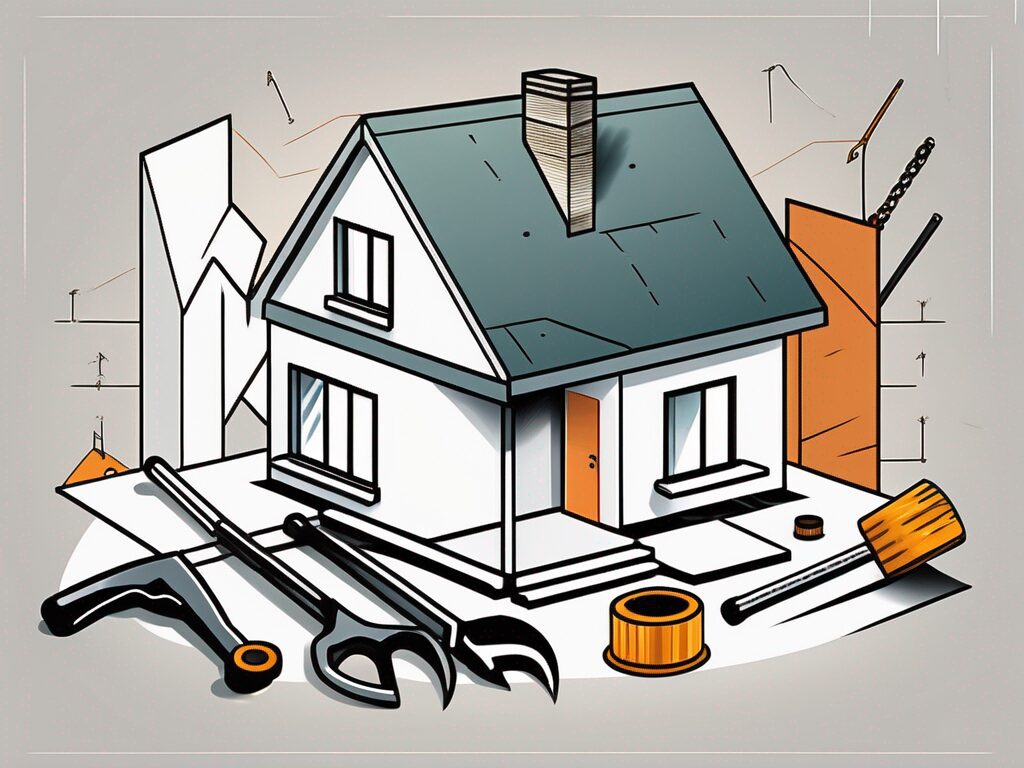
Building your dream home is an exciting and fulfilling journey. However, the process can also be overwhelming, especially when it comes to negotiating the prices involved. In this comprehensive guide, we will explore everything you need to know about negotiating the prices for a new build house. From understanding the costs of building a house to strategies for negotiating the price of the lot, we’ve got you covered.
Building a house is an exciting endeavor, but before diving into negotiations, it’s essential to have a clear understanding of the costs associated with it. This will help you make informed decisions and set realistic expectations. Various factors can significantly affect these costs, and being aware of them will give you a solid foundation for negotiations.
One of the key factors that influence the cost of building a house is the size and layout. A larger house with more rooms and complex architectural features will generally incur higher expenses. The number of floors, bathrooms, and other amenities also contribute to the overall cost. It’s important to carefully consider your needs and prioritize them to avoid unnecessary expenses.
In addition to the size and layout, the level of complexity in the design and the quality of materials used will also contribute to the total expense. If you have a unique and intricate design in mind, it may require specialized labor and materials, which can increase the overall cost. On the other hand, opting for high-quality materials can enhance the durability and aesthetics of your home but may come at a higher price.
Location is another crucial factor to consider. The cost of building a house can vary significantly depending on the region and local labor costs. Urban areas tend to have higher construction costs due to higher land prices and increased demand for skilled labor. Rural areas, on the other hand, may offer more affordable options but could have limited access to certain resources and services.
Furthermore, site-specific requirements or restrictions can impact the cost of building a house. For example, if your property is located in an area prone to natural disasters, such as hurricanes or earthquakes, you may need to invest in additional structural reinforcements or specialized building materials to ensure the safety and resilience of your home. Local building codes and regulations also need to be considered to avoid any costly legal issues down the line.
Estimating the total cost of your dream home is crucial for successful negotiations and financial planning. Start by creating a detailed budget that encompasses all aspects of the build. This includes construction materials, labor, permits, and additional expenses such as landscaping and interior design.
When estimating construction costs, it’s important to consult with professionals such as architects, contractors, and quantity surveyors. They can provide valuable insights and help you create an accurate budget. Consider obtaining multiple quotes from different contractors to compare prices and services offered.
Keep in mind that unforeseen expenses can arise during the construction process. It’s wise to set aside a contingency fund to cover unexpected costs or changes in plans. This will help you avoid financial strain and ensure that your project stays on track.
By having a comprehensive breakdown of costs, you can negotiate better with contractors and suppliers to ensure your budget is not exceeded. It’s important to communicate your budget constraints clearly and explore alternative options or cost-saving measures without compromising on quality and safety.
Building a house is a significant investment, and understanding the costs involved is essential for a successful and satisfying outcome. With careful planning, research, and effective negotiation, you can build your dream home within your budget and enjoy it for years to come.
Securing financing for your new build house can be a complicated process. However, with the right knowledge and preparation, you can navigate through it smoothly.
Building your dream home is an exciting endeavor, but it requires careful planning and consideration, especially when it comes to financing. Understanding the ins and outs of the financing process is essential to ensure you secure the best possible terms for your new home.
When it comes to financing, obtaining the best mortgage rates is crucial. Start by researching different lenders and comparing their offerings. Look for lenders who specialize in new build houses and have experience in providing financing for such projects. This expertise can make a significant difference in the terms and rates you are offered.
Improving your credit score is another important step in securing favorable mortgage rates. Lenders consider your credit score when determining the interest rates you will be offered. Take the time to review your credit report and address any errors or issues that may be negatively impacting your score. Paying off outstanding debts and making all your payments on time can also help boost your creditworthiness.
Getting pre-approved for a mortgage is highly recommended. This involves submitting your financial information to a lender who will assess your creditworthiness and provide you with a pre-approval letter. Having this letter in hand demonstrates to sellers that you are a serious buyer and can give you an edge during negotiations.
Aside from traditional mortgages, there are several other financing options available for new build houses. Construction loans, for example, are specifically designed to fund the construction of a new home. These loans typically have different terms and requirements compared to traditional mortgages, so it’s important to understand the specifics before pursuing this option.
Bridge loans are another financing option to consider. These short-term loans can help bridge the gap between the sale of your current home and the purchase of your new build house. They provide the necessary funds to cover the down payment and other upfront costs while you wait for the sale of your existing property.
Government-assisted programs can also be a viable financing option for new build houses. These programs, such as FHA loans or VA loans, offer favorable terms and lower down payment requirements for eligible borrowers. Researching and understanding each option’s pros and cons will help you determine which one is best suited to your financial needs and goals.
Being knowledgeable about the various financing options will give you more negotiating power when discussing terms with lenders. It’s important to carefully evaluate your financial situation, consider your long-term goals, and seek professional advice if needed. With the right approach and understanding, you can secure the financing you need to turn your dream home into a reality.
When it comes to negotiating with contractors and builders, a strategic approach is essential to ensure quality and stay within budget.
Embarking on a new build house project can be an exciting yet daunting task. From finding the right contractors and builders to managing costs, there are numerous factors to consider. However, by mastering the art of negotiating, you can navigate through the process with confidence and achieve the desired outcome.
When negotiating with contractors and builders, it’s vital to establish clear communication channels. Clearly express your expectations, discuss your budget constraints, and ask for detailed proposals. By doing so, you can ensure that everyone is on the same page from the beginning, minimizing the chances of misunderstandings or surprises along the way.
Furthermore, it’s crucial to get multiple quotes and compare them thoroughly. While price is an important factor, it should not be the sole determining factor. Consider the quality of work and materials used as well. Remember, negotiations are not just about getting the lowest price but also about ensuring that the final product meets your standards.
During negotiations, don’t hesitate to ask questions and seek clarifications. A reputable contractor or builder will be more than willing to address your concerns and provide you with the information you need to make an informed decision. Take the time to understand the proposed timeline, payment terms, and any potential additional costs that may arise during the construction process.
One of the key challenges in negotiating a new build house is finding the balance between quality and budget. To ensure quality, research and check the credentials of potential contractors and builders. Ask for references and visit their previous projects to assess their workmanship. This will give you a better understanding of their capabilities and the level of quality you can expect.
In addition to vetting contractors and builders, aim for transparency throughout the process. Detailed contracts that outline specifications and deadlines can help ensure that everyone is on the same page. It’s important to clearly define the scope of work, materials to be used, and any specific requirements you may have. This will minimize the chances of misunderstandings and disputes down the line.
Regular inspections can also help ensure that the build stays on track and meets your expectations. Schedule site visits at key milestones to assess the progress and quality of work. This will allow you to address any concerns or issues early on, preventing them from escalating into larger problems that may impact the final outcome.
Remember, negotiating the build is not just about getting the best deal; it’s about creating a collaborative partnership with your contractors and builders. By fostering open communication, setting clear expectations, and prioritizing quality, you can navigate the negotiation process successfully and achieve a new build house that exceeds your expectations.
Before construction begins, negotiating the price of the lot is a critical step in the process. Implementing effective negotiation strategies will increase your chances of securing a favorable deal.
When searching for lots, conduct thorough research and evaluate multiple options. Consider factors such as location, proximity to amenities, zoning restrictions, and future development plans. This research will not only help you make an informed decision but also provide you with valuable information to use during negotiations.
For example, if you discover that a particular lot is located in a rapidly developing area with plans for new infrastructure, you can use this information to your advantage during negotiations. You can argue that the value of the lot is likely to increase in the future, making your offer more reasonable.
Additionally, checking property records and history is crucial. Look for any potential issues, such as liens or disputes, that may affect the value or usability of the lot. By uncovering these issues, you can negotiate a lower price or request that the seller resolves them before finalizing the deal.
When negotiating with sellers and real estate agents, knowledge is key. Use the research you’ve conducted to justify your offers and demonstrate your understanding of market value. By showing that you are well-informed, you establish yourself as a serious buyer and increase your chances of getting a favorable deal.
Be prepared to negotiate on various terms, such as the purchase price, timing, contingencies, and any improvements or repairs needed. For example, if you notice that the lot requires significant landscaping or infrastructure improvements, you can negotiate a lower price to account for these additional expenses.
Remember, negotiations are a two-way street. It’s important to maintain a polite and professional demeanor throughout the process to build rapport with the seller or real estate agent. Building a positive relationship can increase the chances of reaching a mutually beneficial agreement.
Furthermore, consider exploring creative negotiation strategies. For instance, you could propose a win-win scenario where you offer to purchase additional lots from the seller in the future if they agree to a lower price now. This approach can be particularly effective if the seller is motivated to sell multiple properties.
In conclusion, negotiating the price of a lot requires thorough research, careful evaluation, and effective communication. By utilizing these strategies and maintaining a professional approach, you can increase your chances of securing a favorable deal and setting the foundation for a successful construction project.
Integrating smart upgrades into your new build house can improve its value and enhance your overall living experience. However, it’s essential to choose upgrades wisely to maximize your budget.
When embarking on the journey of building a new house, there are numerous factors to consider. From selecting the perfect location to designing the layout, each decision plays a crucial role in creating your dream home. One aspect that should not be overlooked is the selection of upgrades. These enhancements not only add value to your home but also contribute to a more comfortable and efficient living environment.
When selecting upgrades, focus on those that will add the most value to your home. Prioritize features or additions that align with market trends and buyers’ preferences. Energy-efficient upgrades, such as solar panels or smart thermostats, can lead to long-term savings and appeal to environmentally conscious buyers. These upgrades not only reduce your carbon footprint but also lower utility bills, making them an attractive investment. Additionally, upgrading fixtures, finishes, and appliances in key areas like kitchens and bathrooms can significantly enhance your home’s value. Modern, stylish designs and high-quality materials can make a lasting impression on potential buyers.
However, it’s important to strike a balance between adding value and staying within your budget. Conduct thorough research on the potential return on investment for each upgrade and consider consulting with a real estate professional to gain insights into the local market. By carefully selecting upgrades, you can make the most of your budget while increasing the marketability of your home.
Building a new house is an exciting endeavor, and negotiating prices is a vital part of the process. By understanding the costs, navigating the financing process, mastering negotiations with contractors and builders, strategizing for lot price negotiations, and making smart upgrades, you can ensure that your dream home becomes a reality within a budget that suits your needs.
Armed with this ultimate guide, negotiate with confidence and enjoy the journey as you create a space that truly reflects your vision and lifestyle. Whether it’s incorporating cutting-edge technology or focusing on timeless design elements, the right upgrades can transform your new build house into a haven of comfort and style.

If you want the Richr team to help you save thousands on your home just book a call.
 Book a call
All information provided is deemed reliable but is not guaranteed and should be independently verified. You should consult your own professionals for financial, legal, or tax advice and conduct your own due diligence. Brokerage services are provided by Richr Homes, FL License # 1060165. Services of Richr's affiliates, Richr Insurance and Richr Title, are optional and can be used in combination or separately.