Agent A-Team or Solo Superhero? Finding the Right Real Estate Partner for Your Selling Journey in Wildwood Florida
When it comes to selling your home in Wildwood, Florida,…
January 29, 2024
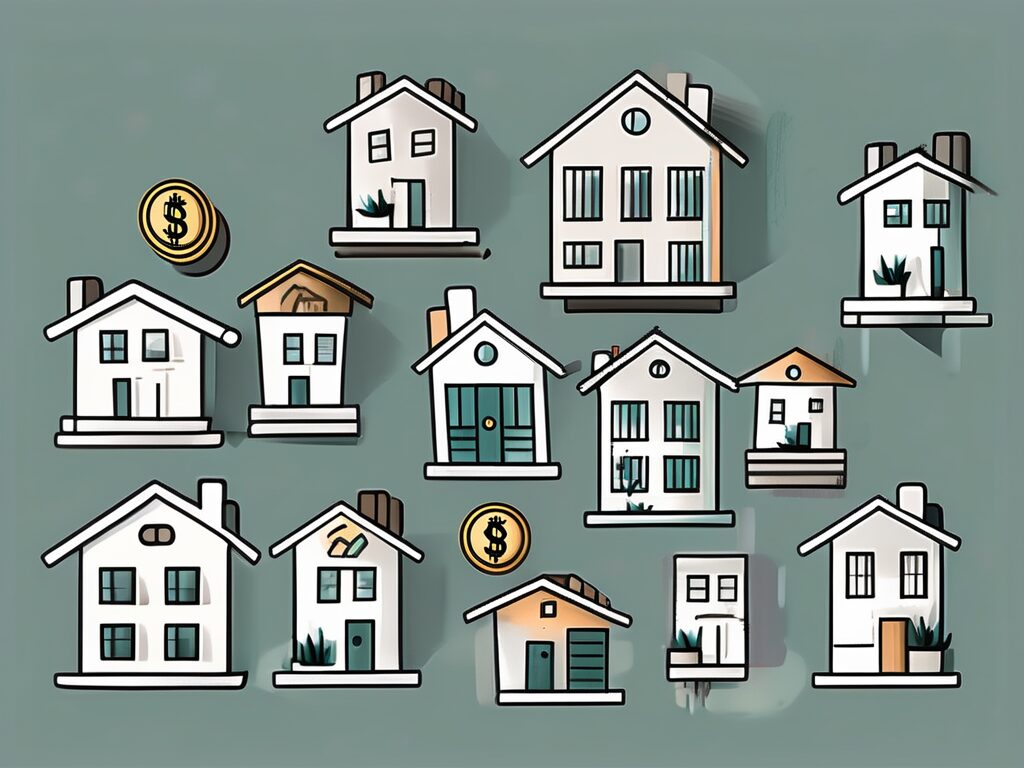
Investing in rental properties can be a lucrative venture, but it requires careful consideration and planning. One of the key factors to understand is the down payment requirements for rental properties. Each lender may have specific criteria, and it’s essential to be well-informed to make the right decisions. In this comprehensive guide, we will decode rental property down payments, explore different options, discuss strategies for lowering your investment property down payment, and delve into other essential requirements.
The first step in understanding down payment requirements for rental properties is knowing what they entail. A down payment is the upfront cash you pay when purchasing a property. Typically, the down payment is expressed as a percentage of the property’s total purchase price. For rental properties, the down payment requirement may vary depending on factors such as the type of loan, the applicant’s creditworthiness, and the lender’s policies.
When investing in rental properties, it’s important to consider various strategies for lowering your investment property down payment. Lowering your down payment can offer significant financial benefits and increase your potential return on investment.
One strategy is to improve your credit score. Lenders often offer more favorable terms to individuals with higher credit scores. By paying off debts, ensuring timely payments, and addressing any credit issues, you can enhance your creditworthiness and potentially lower your down payment requirement.
Another option to consider is partnering with others. Investing in rental properties with a group allows you to pool your resources, reducing the burden of a large down payment. Moreover, sharing expenses and responsibilities can provide a more solid foundation for success.
Exploring different down payment options for rental properties is essential to finding the best fit for your investment goals and financial situation.
When it comes to down payment options for rental properties, you have several choices. Conventional loans usually require a down payment ranging from 15% to 25% of the property’s purchase price. These loans are offered by banks and are not backed by the government.
On the other hand, government-backed loans, such as those offered by the Federal Housing Administration (FHA) or the Department of Veterans Affairs (VA), provide more flexible down payment options. FHA loans may require as little as 3.5% down payment, while VA loans provide eligible veterans and military service members with the opportunity for zero down payment.
Understanding the down payment requirements for conventional loans is crucial when planning your investment strategy.
Conventional loans are a popular choice for rental property investors. Understanding their down payment requirements is crucial when planning your investment strategy. A typical down payment for a conventional loan falls between 15% to 25%, depending on various factors.
In addition to the down payment, lenders also consider other factors such as the applicant’s credit score, debt-to-income ratio, and financial stability. It’s important to gather all necessary documentation and work closely with your lender to ensure a smooth application process.
For those looking for alternative down payment options, government-backed loans can provide viable alternatives.
Government-backed loans provide viable alternatives to conventional loans, particularly for first-time investors or those with limited funds. For FHA loans, the down payment requirement can be as low as 3.5% of the property’s purchase price. However, it’s crucial to be mindful of the additional costs associated with mortgage insurance premiums.
VA loans, exclusive to eligible veterans and military service members, offer the benefit of zero down payment. This can be a significant advantage, providing more opportunities for investment without needing to accumulate a substantial amount of cash upfront.
When considering different down payment options, it’s important to evaluate your financial situation and investment goals. Working with a knowledgeable real estate professional and mortgage lender can help you navigate the various options and make an informed decision.
While lower down payments may be attractive, making a larger down payment on rental properties can have its own advantages. One of the most significant benefits is a lower mortgage payment. By financing a smaller portion of the property’s purchase price, your monthly payment will be reduced, allowing for greater cash flow and potentially higher profitability.
Additionally, a larger down payment can help you secure more favorable financing terms, including a lower interest rate and a higher chance of loan approval. It demonstrates to lenders that you have a higher level of commitment and financial stability, reducing their risk and increasing your bargaining power.
Moreover, making a larger down payment on rental properties can provide you with a sense of security and peace of mind. By investing a substantial amount upfront, you are building equity in the property from the start. This equity acts as a cushion against potential market fluctuations or unforeseen expenses, ensuring that you have a solid financial foundation.
Furthermore, a larger down payment can also result in a shorter loan term. By reducing the principal amount, you can potentially pay off your mortgage sooner, allowing you to own the rental property outright in a shorter period of time. This not only increases your overall net worth but also provides you with the flexibility to explore other investment opportunities or enjoy a higher monthly cash flow once the mortgage is fully paid off.
In addition to the financial benefits, making a larger down payment on rental properties can also improve your chances of attracting high-quality tenants. When potential renters see that you have invested a significant amount of money into the property, they are more likely to perceive it as well-maintained and of higher value. This can lead to a larger pool of qualified applicants and a higher rental income, ultimately maximizing your return on investment.
Moreover, a larger down payment can also give you a competitive advantage in the rental market. In areas with high demand and limited supply, landlords who can offer a well-maintained property with a higher down payment are often preferred by tenants over those who require smaller down payments. This can result in shorter vacancy periods and a more stable rental income stream.
Lastly, making a larger down payment on rental properties can have long-term tax benefits. By reducing the amount of interest paid over the life of the loan, you may be able to take advantage of greater tax deductions. This can help offset your rental income and potentially lower your overall tax liability, further enhancing the profitability of your investment.
Before jumping into the world of investment properties, it’s important to assess your affordability. This process involves evaluating your financial situation, understanding your income potential from rental properties, and considering other factors such as monthly expenses, debts, and future contingencies.
Assessing your affordability for investment properties requires a comprehensive analysis of your financial standing. Start by calculating your current income and expenses. This will give you a clear picture of your cash flow and how much you can allocate towards investment properties.
Next, consider your income potential from rental properties. Research the market and determine the average rental rates in the areas you are interested in. Take into account factors such as property type, location, and demand. This will give you an estimate of the rental income you can expect to generate from your investment properties.
When determining your affordability for investment properties, rental income can play a significant role. Depending on the lender’s policies, a portion of the projected rental income may be considered as a source of funds to assess your ability to repay the loan.
However, it’s important to note that each lender has different guidelines and requirements for considering rental income. To fully utilize this potential, ensure you have complete and accurate rental income documentation, such as leases and rental history, readily available for review.
In addition to rental income, lenders will also evaluate your creditworthiness and debt-to-income ratio. They will assess your ability to manage multiple properties and handle any potential vacancies or maintenance costs. It’s crucial to have a strong credit score and a healthy financial history to increase your chances of qualifying for a loan.
Furthermore, it’s important to consider your monthly expenses and debts. Owning investment properties comes with additional costs, such as property taxes, insurance, maintenance, and property management fees. These expenses can significantly impact your affordability and should be factored into your financial assessment.
Lastly, it’s essential to plan for future contingencies. Real estate markets can fluctuate, and unexpected expenses may arise. Having a financial buffer and an emergency fund can provide you with peace of mind and ensure you can weather any storms that come your way.
By thoroughly evaluating your financial situation, understanding your income potential from rental properties, and considering other factors such as monthly expenses, debts, and future contingencies, you can determine your affordability for investment properties. This will help you make informed decisions and set realistic goals as you embark on your journey in real estate investing.
Investment property loans come with their own set of requirements. In addition to the down payment, lenders assess various factors to determine your eligibility and loan terms.
A good credit history and score are paramount, as lenders want to ensure you have a track record of responsible financial behavior. This includes making timely payments on your existing debts and keeping your credit utilization ratio low. Lenders will scrutinize your credit report to evaluate your creditworthiness and determine the interest rate you qualify for.
Aside from credit, lenders may also consider your debt-to-income ratio, which compares your monthly debt payments to your pre-tax income. This ratio helps lenders assess your ability to manage additional debt and make mortgage payments on time. A lower debt-to-income ratio indicates a lower risk for lenders and can lead to more favorable loan terms.
Furthermore, lenders will require documentation of your income, assets, and other financial information. It’s crucial to have these documents organized and readily accessible to expedite the loan application process and demonstrate your readiness as a borrower. Some of the documents you may need to provide include:
Additionally, lenders may request an appraisal of the investment property to determine its value. This appraisal helps lenders ensure that the property is worth the amount you are borrowing and serves as collateral for the loan.
It’s important to note that investment property loans typically have stricter requirements compared to loans for primary residences. Lenders may require a higher down payment, typically ranging from 20% to 30% of the property’s purchase price. This higher down payment helps mitigate the risk for lenders since investment properties are considered riskier investments than primary residences.
Furthermore, lenders may also impose stricter debt-to-income ratio limits for investment property loans. While a debt-to-income ratio of 43% is often the maximum allowed for conventional loans, lenders may require a lower ratio, such as 36%, for investment property loans.
Overall, meeting the essential requirements for investment property loans involves maintaining a good credit history, managing your debts responsibly, and providing thorough documentation of your financial situation. By fulfilling these requirements, you increase your chances of securing favorable loan terms and successfully financing your investment property.
When it comes to saving for your investment property down payment, there are various strategies you can employ. Explore which method aligns with your financial goals and circumstances.
If you already own a home, you may have built up equity. By leveraging this equity, you can access funds for your investment property down payment. Options such as a home equity loan or a cash-out refinance allow you to tap into the value you have accumulated in your home.
One advantage of using your home equity is that you may be able to secure a lower interest rate compared to other financing options. This can potentially save you thousands of dollars over the life of your loan.
However, it’s crucial to weigh the risks and benefits of using your home equity. Ensure that you have a solid plan in place for your investment property and accurately assess your ability to meet mortgage obligations.
Owner financing is an alternative option for acquiring funds for your down payment. In this scenario, the property’s seller acts as the lender, providing financing directly to the buyer.
Owner financing can offer greater flexibility and potentially more favorable terms. For example, you may be able to negotiate a lower interest rate or more lenient repayment terms compared to traditional lenders.
However, it’s essential to negotiate and document the agreement carefully to protect your interests. Engaging the services of a real estate attorney or a qualified professional can be invaluable in navigating this process.
For investors looking for a tax-advantaged strategy, a self-directed Individual Retirement Account (IRA) can be an excellent option. With a self-directed IRA, you can invest in real estate and potentially use the funds for your investment property down payment.
One advantage of using a self-directed IRA is that you can enjoy tax benefits, such as tax-deferred or tax-free growth. This can help you maximize your savings and potentially accelerate your path to homeownership.
It’s important to note that self-directed IRAs come with specific rules and regulations. Due diligence and a thorough understanding of the IRS guidelines are crucial to ensure compliance and avoid any penalties or tax implications.
If the burden of a down payment seems overwhelming, partnering with others to invest in rental properties can be an effective strategy. Pooling resources allows you to leverage combined funds, making it easier to meet the down payment requirement.
When entering into a partnership, it’s essential to have clear agreements in place, outlining responsibilities, profit sharing, and exit strategies. This can help prevent misunderstandings and potential conflicts down the line.
A well-structured partnership can be mutually beneficial, providing a solid foundation for long-term success. Additionally, working with others can bring diverse skills and perspectives to the table, enhancing the overall investment experience.
Finally, implementing long-term saving strategies can help you reach your investment property down payment goal. Set a budget, automate your savings, and consider cutting unnecessary expenses to accelerate your savings growth.
One effective way to save is to create a separate savings account dedicated solely to your down payment fund. By automating regular contributions to this account, you can ensure consistent progress towards your goal.
Additionally, explore investment opportunities that can simultaneously generate income and build your down payment fund. Options such as dividend stocks, high-interest savings accounts, or real estate investment trusts (REITs) can provide a way to grow your money over time.
Remember, saving is a marathon, not a sprint. Stay disciplined, be patient, and monitor your progress regularly. By adopting smart saving habits and exploring various strategies, you can steadily work towards achieving your investment property down payment.
Understanding down payment requirements for rental properties is essential for anyone considering investing in real estate. By comprehending the different options available, exploring strategies for lowering your investment property down payment, and determining your affordability, you can make informed decisions that align with your financial goals.
Remember, each lender may have specific criteria, so it’s crucial to research and consult with professionals, such as real estate agents and mortgage lenders, to navigate the complex world of rental property investment. By doing your due diligence and planning ahead, you can establish a strong foundation for success as a rental property investor.
Ready to take the next step in your real estate investment journey? Richr is here to support your For Sale By Owner (FSBO) endeavors with a platform that connects you to consumer portals and multiple listing services (MLS). Get started with a free home valuation to make informed decisions about your rental property investments. Don’t miss out on this opportunity to maximize your returns. Call Richr on 844-957-4247 today for your complimentary Comparative Market Analysis (CMA) and take the leap towards successful property investment.

If you want the Richr team to help you save thousands on your home just book a call.
 Book a call
All information provided is deemed reliable but is not guaranteed and should be independently verified. You should consult your own professionals for financial, legal, or tax advice and conduct your own due diligence. Brokerage services are provided by Richr Homes, FL License # 1060165. Services of Richr's affiliates, Richr Insurance and Richr Title, are optional and can be used in combination or separately.