
Agent A-Team or Solo Superhero? Finding the Right Real Estate Partner for Your Selling Journey in Wildwood Florida
When it comes to selling your home in Wildwood, Florida,…
January 29, 2024
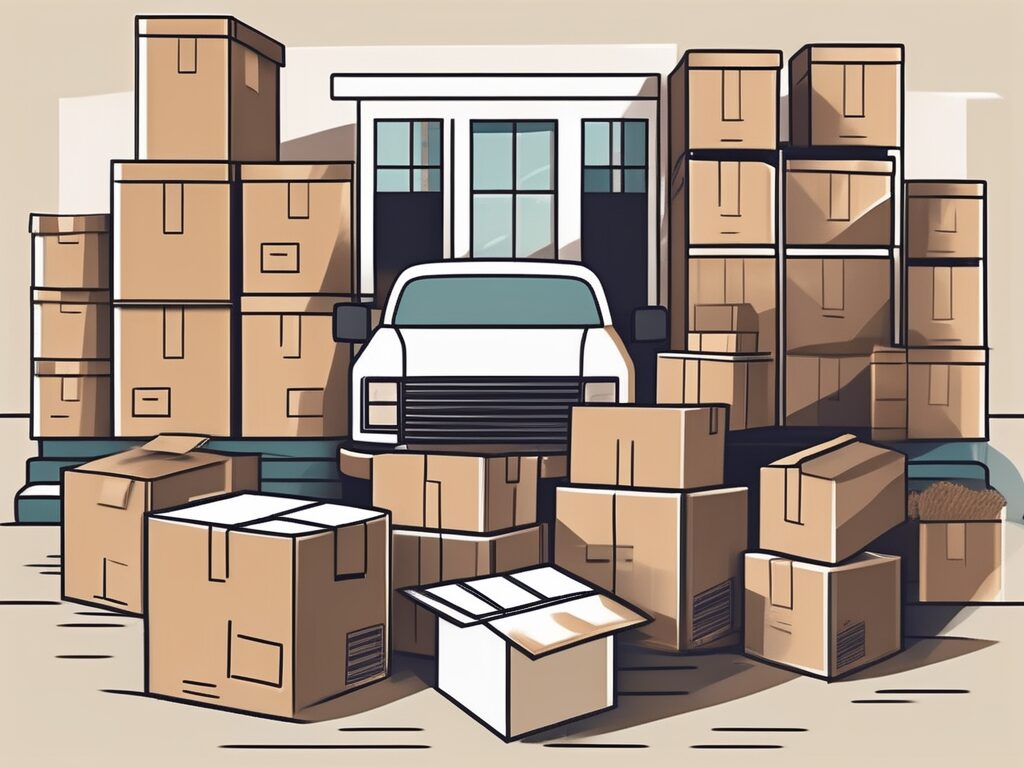
Moving can be a stressful and overwhelming experience. The key to a successful move is careful planning and organization. To help you navigate through this process smoothly, we have compiled the ultimate moving checklist. From creating a moving timeline to arranging for utilities at your new place, this guide will ensure that you are well-prepared for your moving day.
Moving to a new home can be an exciting yet overwhelming experience. To ensure a smooth and successful move, it is essential to create a moving timeline and assess your moving needs. By starting early and considering professional help, you can make the entire process more manageable and less stressful.
Planning is the key to a successful move. It allows you to efficiently organize and execute each stage of the moving process. To start off on the right foot, it is recommended to create a moving timeline at least two months before your intended moving date.
By starting early, you give yourself enough time to sort out the details and minimize any last-minute complications. This includes tasks such as decluttering and organizing your belongings, researching moving companies, and notifying important parties about your change of address.
Having a moving timeline also helps you stay organized and focused. You can break down the tasks into smaller, more manageable steps, ensuring that nothing is overlooked or forgotten. This way, you can tackle one task at a time, reducing stress and making the overall process more efficient.
Before diving into the moving process, it’s important to assess your moving needs. Every move is unique, and understanding your specific requirements will help you make informed decisions.
Consider factors such as the size of your household, the distance of the move, and the availability of friends and family to assist you. If you have a large household with heavy and fragile items, a long-distance move, or limited help available, hiring professional movers might be the best option.
Professional movers have the expertise and resources to handle all aspects of your move. They can provide packing services, transportation, and even storage solutions if needed. By entrusting your move to professionals, you can alleviate the stress and physical strain, ensuring a smoother transition to your new home.
However, if you have a smaller household, a local move, and a reliable support system, you may choose to handle the move on your own. This can save you money and give you more control over the process. Just make sure to plan accordingly and gather all the necessary packing supplies and equipment.
Regardless of whether you decide to hire professionals or do it yourself, assessing your moving needs is an important step in creating a successful moving plan.
One of the most essential steps in preparing for a move is decluttering your home. Take this opportunity to evaluate your belongings and decide what to keep, donate, or discard. Begin by sorting items room by room, making separate piles for items you want to keep, donate, or discard. This not only helps you streamline your belongings but also saves you from packing and moving unnecessary items.
When it comes to decluttering, it’s important to have a clear plan in place. Start by setting aside dedicated time to tackle each room. This way, you can focus on one area at a time and avoid feeling overwhelmed. Begin with smaller spaces, such as closets or drawers, before moving on to larger areas like living rooms or bedrooms.
As you sort through your belongings, ask yourself a few key questions. Have you used the item in the past year? Does it hold sentimental value? Is it still in good condition? These questions can help you determine whether an item is worth keeping or if it’s time to let go. Remember, decluttering is about creating a space that is functional and free from unnecessary clutter.
When deciding what to keep, consider the space you’ll have in your new home. If you’re downsizing, you may need to be more selective with your belongings. Think about what items are truly essential and will enhance your new living space. It’s also important to consider the functionality of each item. If it serves a purpose and you use it regularly, it’s likely worth keeping.
For items that you no longer need or want, consider donating them to a local charity or organization. Not only does this help someone in need, but it also allows your belongings to have a second life. Research local donation centers or schedule a pick-up service to make the process easier. Remember to check their guidelines for acceptable items to ensure your donations are put to good use.
When it comes to items that are no longer usable or in poor condition, it’s best to discard them responsibly. Look for recycling programs in your area that accept specific materials, such as electronics or household chemicals. This way, you can ensure that these items are disposed of properly and don’t end up in a landfill.
Decluttering your home not only makes the moving process easier but also allows you to start fresh in your new space. By streamlining your belongings and only keeping what you truly need and love, you can create a more organized and stress-free living environment. So, take the time to declutter and enjoy the benefits of a clutter-free home.
Moving to a new home can be an exciting yet daunting task. The thought of starting fresh in a new space brings a sense of anticipation, but the process of packing up all your belongings can be overwhelming. However, with the right organization and planning, you can make your move a smooth and hassle-free experience.
Packing efficiently is key to an organized move. Start by gathering all the necessary packing supplies, such as boxes, tape, bubble wrap, and markers. Having these items on hand will save you time and prevent last-minute trips to the store.
When it comes to packing, it’s important to have a strategy. Begin by packing non-essential items first, leaving the essentials for the final days. This way, you can ensure that you have everything you need until the last moment, without having to rummage through boxes to find daily essentials.
Labeling is another crucial aspect of packing. As you pack each box, make sure to label it with the room it belongs to and a brief description of its contents. This simple step will simplify the unpacking process and help you locate items easily in your new home. Imagine the convenience of knowing exactly where your kitchen utensils are or finding your favorite books without having to open every box!
In addition to labeling your boxes, creating a comprehensive moving inventory is highly recommended. A moving inventory allows you to keep track of all your belongings, ensuring that nothing gets lost or misplaced during transit.
Start by making a list of all the items you plan to move. Categorize them by room, making it easier to organize and unpack later. It’s also helpful to note the condition of each item on your inventory list. This will come in handy when filing insurance claims in case of any damages or losses during the move.
While creating a moving inventory may seem time-consuming, it will save you a lot of stress in the long run. You’ll have a clear record of your belongings, making it easier to ensure that everything arrives safely at your new home.
Remember, organization is key when it comes to a smooth move. By following these essential packing tips and creating a moving inventory, you’ll be well-prepared for the journey ahead. So, roll up your sleeves, gather your packing supplies, and get ready to master the art of organization for a successful and stress-free move!
Prior to starting your move, you need to gather a variety of moving supplies to make the process smoother. Some of the essential moving supplies include sturdy boxes in various sizes, bubble wrap or packing paper to protect fragile items, packing tape, markers for labeling, and furniture covers. Having these supplies on hand will save you from last-minute rushing and ensure that your belongings are well-protected during the move.
When it comes to moving, being prepared is key. You don’t want to find yourself scrambling at the last minute, searching for boxes or wrapping fragile items in old newspapers. That’s why it’s important to gather all the necessary moving supplies well in advance.
Start by acquiring sturdy boxes in various sizes. You’ll need small boxes for heavy items like books and kitchenware, medium-sized boxes for clothing and linens, and large boxes for bulky items such as bedding and pillows. Having a variety of box sizes will make packing more efficient and ensure that your belongings are properly protected.
Next, invest in bubble wrap or packing paper to safeguard your fragile items. Whether it’s delicate china, glassware, or sentimental knick-knacks, wrapping them in bubble wrap or packing paper will provide an extra layer of protection during transit. Don’t forget to secure the wrapping with packing tape to keep everything in place.
Labeling is another crucial aspect of a successful move. Make sure to have markers on hand to clearly label each box with its contents and the room it belongs to. This will make unpacking a breeze and help you stay organized throughout the process. Additionally, consider color-coding your boxes to further streamline the moving process. For example, you can use red labels for kitchen items, blue labels for bedroom items, and so on.
Lastly, don’t forget to invest in furniture covers. These will protect your furniture from scratches, dust, and other potential damage during the move. Whether you’re moving locally or long-distance, furniture covers are a must-have to ensure that your beloved pieces arrive at your new home in pristine condition.
By gathering all the necessary moving supplies ahead of time, you’ll be well-prepared for any situation that may arise during your move. From protecting fragile items to keeping your furniture in top shape, having the right supplies on hand will make the entire process smoother and less stressful. So, take the time to gather your moving supplies and enjoy a stress-free move to your new home!
When it comes to moving, packing efficiently is key. Not only does it save you time and effort, but it also ensures that your belongings arrive safely at your new home. In this article, we will explore some strategies for efficient packing that will help you streamline the process and make your move a breeze.
Packing fragile items requires extra care to ensure their safe arrival at your new home. It’s important to take the time to properly protect these delicate belongings. One of the most effective ways to do this is by wrapping each fragile item individually with bubble wrap or packing paper. This provides an extra layer of cushioning and helps prevent any potential damage during transit.
Once you have wrapped your fragile items, it’s essential to place them in a sturdy box. Choosing a box that is specifically designed for fragile items, such as a double-walled box, can provide added protection. Additionally, make sure to fill any empty spaces within the box with packing peanuts or crumpled newspaper. This helps prevent the items from shifting during transportation, reducing the risk of breakage.
Another important step is to label the box as “fragile.” This alerts the movers or anyone handling the box to exercise extra caution. You can use bright-colored tape or stickers to make the label stand out, ensuring that it catches the attention of those involved in the moving process.
During transit, it’s crucial to take extra precautions to keep your fragile items safe. If possible, consider transporting them yourself rather than relying on a moving company. This way, you have more control over how they are handled and can ensure they are kept secure throughout the journey.
Unpacking can often be a daunting task, especially when faced with numerous boxes and belongings. However, there is a simple solution to make the process much more manageable: labeling and color-coding.
Start by using colored markers to assign a specific color to each room in your new home. For example, you can use blue for the bedroom, green for the kitchen, and so on. Then, label each box accordingly, indicating which room it belongs to. This way, when you arrive at your new home, you can easily identify where each box should be placed.
To take it a step further, place matching colored labels on the doors of your new home’s rooms. This serves as a visual guide for the movers or helpers, making it even easier for them to know where each box should go. They can simply match the color of the box to the color on the door, ensuring a more efficient and organized unpacking process.
By implementing these labeling and color-coding strategies, you can save valuable time and effort during the unpacking phase. No more guessing which box goes where or wasting time searching for specific items. Everything will be neatly organized and easily identifiable, allowing you to settle into your new home with ease.
Moving into a new place can be an exciting and sometimes overwhelming experience. From packing up your belongings to finding the perfect location, there are many things to consider. One important aspect of moving that often gets overlooked is setting up utilities at your new home. Ensuring that you have electricity, water, gas, internet, and cable ready for your arrival is crucial to a smooth transition.
Before you start unpacking and decorating your new place, it’s essential to take care of the necessary utility arrangements. Here is a step-by-step guide to help you transfer or activate utilities:
By following these steps, you can ensure a seamless transition and minimize any disruption to your daily life. It’s always a good idea to start the utility transfer process well in advance to avoid any last-minute complications. Remember to keep track of all your communication with service providers and make note of any confirmation numbers or important details.
Additionally, it’s worth considering any additional utilities or services that may be relevant to your new home. For example, if you live in an apartment complex, you may need to arrange for trash collection or parking permits. Research the specific requirements of your new residence and make the necessary arrangements.
Finally, don’t forget to update your mailing address with the post office, banks, insurance companies, and any other organizations that send you important mail. This will ensure that you receive all your correspondence without any delays.
Arranging for utilities at your new place may seem like a tedious task, but it’s an essential part of settling in comfortably. By taking the time to transfer or activate your utilities, you can start enjoying your new home without any unnecessary stress or inconvenience.
Don’t forget to update your address and arrange for mail forwarding to your new residence. Notify the post office, as well as any important contacts such as banks, insurance companies, subscriptions, and government agencies. You can typically set up mail forwarding online or by completing a change of address form. This will ensure that you continue to receive your mail without interruption during and after the move.
With this ultimate moving checklist at your disposal, you can embark on your moving journey with confidence and peace of mind. By following these tips and staying organized, you’ll be well-prepared for a smooth moving day and a successful transition to your new home. Good luck!

If you want the Richr team to help you save thousands on your home just book a call.
 Book a call
All information provided is deemed reliable but is not guaranteed and should be independently verified. You should consult your own professionals for financial, legal, or tax advice and conduct your own due diligence. Brokerage services are provided by Richr Homes, FL License # 1060165. Services of Richr's affiliates, Richr Insurance and Richr Title, are optional and can be used in combination or separately.