Agent A-Team or Solo Superhero? Finding the Right Real Estate Partner for Your Selling Journey in Wildwood Florida
When it comes to selling your home in Wildwood, Florida,…
January 29, 2024
Owning a home is a significant investment, but it also comes with the responsibility of regular maintenance and repairs. When it comes to home inspections, certain common issues can cause concerns for homeowners. This guide aims to provide you with practical solutions for addressing these issues, ensuring your safety, and maintaining the aesthetic appeal of your home.
Home inspections are crucial for identifying potential problems and ensuring that your home is in good condition. Here are some common repairs often found during inspections:
Dead trees pose a safety risk to your home and property, especially during extreme weather conditions. Additionally, they can damage the aesthetic appeal of your outdoor space. To address this issue, consider hiring a professional tree removal service. They have the expertise and equipment to safely remove dead trees and prevent potential accidents.
Furthermore, replacing dead trees with healthy and visually appealing options can enhance the overall look of your property. Consider consulting with a landscape designer to select the right trees that will thrive in your area and complement your home’s architecture.
Additionally, planting new trees can provide shade, improve air quality, and attract wildlife, creating a more sustainable and enjoyable environment.
Tripping hazards are a common concern identified during home inspections. Loose or damaged floorboards, uneven walkways, and poorly secured rugs can all contribute to accidents. Inspect your home for any potential tripping hazards and take immediate action to eliminate them.
Repair or replace loose floorboards, secure rugs with non-slip pads, and level any uneven walkways. By addressing these issues, you can significantly reduce the risk of falls and injuries within your home.
Furthermore, consider enhancing the safety of your home by installing handrails on staircases, adding adequate lighting in hallways and outdoor pathways, and using contrasting colors to highlight steps and changes in elevation.
During home inspections, malfunctioning appliances are often flagged as areas for repair. In some cases, you may be able to troubleshoot and fix the problem yourself. However, for more complex issues, it is advisable to seek professional assistance.
Ensure that you regularly clean and maintain your appliances to prolong their lifespan and prevent future issues. Additionally, familiarize yourself with the manufacturer’s guidelines for troubleshooting common appliance problems.
Consider upgrading to energy-efficient appliances, which not only reduce your carbon footprint but also save you money on utility bills in the long run.
Plumbing issues can cause significant damage to your home if left unaddressed. Home inspections frequently reveal problems such as leaky faucets, clogged drains, and faulty plumbing fixtures.
Fixing minor plumbing issues promptly can prevent more extensive damage down the line. Consider hiring a professional plumber to resolve complex plumbing problems and ensure that your water supply remains efficient and leak-free.
Additionally, consider implementing water-saving measures such as installing low-flow fixtures, fixing dripping faucets promptly, and insulating hot water pipes to reduce energy waste and lower your utility bills.
Electrical issues are not only inconvenient but also pose serious safety risks. Faulty wiring, outdated electrical panels, and overloaded circuits are commonly identified during home inspections.
To address these issues, it is essential to hire a licensed electrician to conduct a thorough assessment and make any necessary repairs or upgrades. Prioritizing electrical safety enhances the overall safety of your home for you and your family.
Consider installing additional outlets to reduce the use of extension cords and power strips, which can increase the risk of electrical fires. Furthermore, investing in surge protectors can safeguard your electronic devices from power surges and extend their lifespan.
Homeowners must take fire hazards seriously. Home inspections often reveal risks such as faulty wiring, outdated or malfunctioning smoke detectors, and improperly maintained fire extinguishers.
Regularly inspect and replace smoke detector batteries, ensuring they are fully functional. Consider upgrading to smart detectors that alert you directly in case of fire. Additionally, schedule regular maintenance for your fire extinguisher and seek professional advice on potential fire hazards in your home.
Furthermore, develop a fire escape plan for your family and ensure that everyone knows how to react in case of an emergency. Conduct regular fire drills to practice the evacuation process and familiarize yourself with the location of fire exits in your home.
Pest or wildlife infestations can cause damage to your property and compromise your comfort and well-being. Common pests include rodents, ants, termites, and wasps.
If you notice signs of infestation, such as droppings or unusual sounds, contact a professional pest control service to address the issue effectively. Their expertise and specialized treatments will help eliminate pests and prevent future infestations.
Additionally, take preventive measures such as sealing cracks and openings in your home’s exterior, storing food properly, and maintaining cleanliness to reduce the likelihood of attracting pests.
Asbestos, radon, and lead paint are hazardous substances commonly found in older homes. Exposure to these substances can lead to severe health issues, including respiratory problems and neurological damage.
When dealing with older homes, it is vital to have professional inspections for these substances. If identified, consult certified specialists to safely remove or remediate the hazards.
Furthermore, consider implementing preventive measures such as proper ventilation, regular testing for radon levels, and avoiding the use of lead-based paints in home renovations.
A well-functioning HVAC (Heating, Ventilation, and Air Conditioning) system is essential for maintaining a comfortable indoor environment. Common issues found during inspections include faulty thermostats, clogged filters, and inefficient airflow.
Regularly changing HVAC filters and scheduling professional maintenance can help prevent these issues. If your HVAC system requires repairs or upgrades, rely on certified technicians to ensure optimal performance and energy efficiency.
Consider investing in programmable thermostats and zoning systems to maximize energy savings and customize temperature settings for different areas of your home.
Chimney maintenance is crucial for both safety and functionality. Home inspections often identify issues such as chimney cracks, creosote buildup, and broken dampers.
Hire professional chimney sweeps to clean and inspect your chimney annually. They will ensure that it is free from obstructions and functioning properly. Promptly repairing any identified issues will help maintain the efficiency and safety of your fireplace.
Furthermore, consider installing a chimney cap to prevent debris, animals, and rainwater from entering your chimney, which can cause damage and affect its performance.
Roof damage can lead to leaks and further structural issues if not addressed promptly. Home inspections commonly find problems such as broken or missing shingles, damaged flashing, and clogged gutters.
Consider hiring roofing professionals to assess and repair roof damage. They have the expertise to identify hidden issues and provide effective solutions. Regularly maintaining your roof will significantly extend its lifespan while protecting your home from water damage.
Additionally, consider installing a rainwater harvesting system to collect and reuse rainwater, reducing your dependency on municipal water and promoting sustainability.
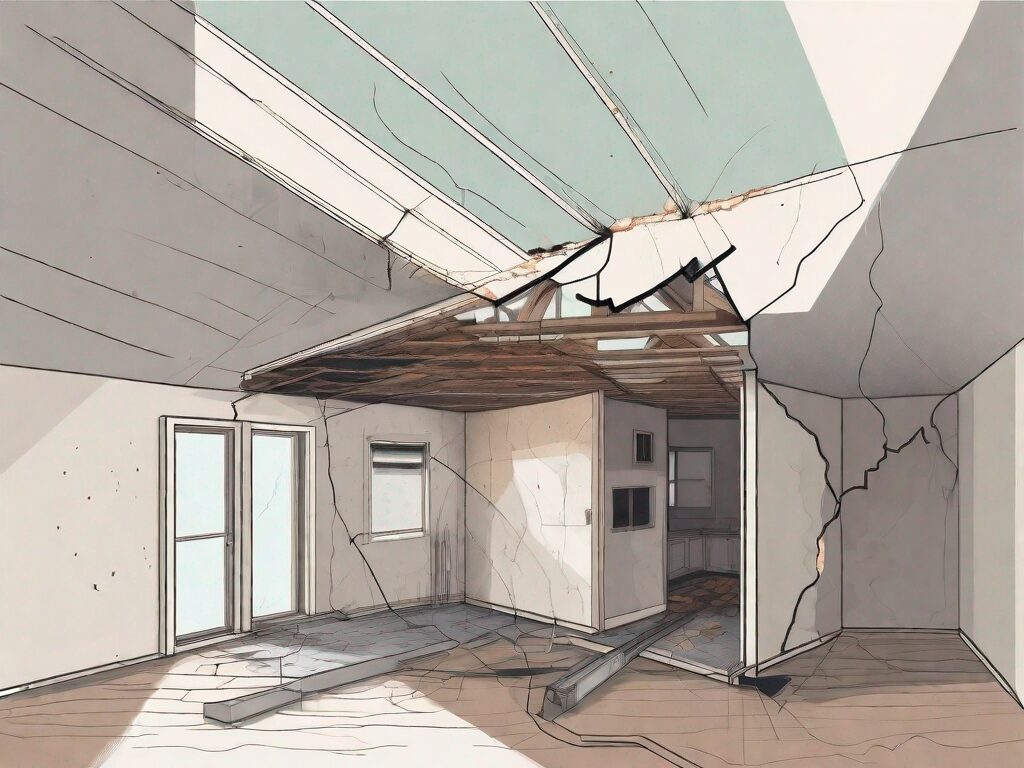
Structural issues pose significant concerns for homeowners and potential buyers. Home inspections often reveal problems such as foundation cracks, sagging floors, and termite damage.
If you identify any structural issues, consult professionals such as structural engineers or contractors specialized in foundation repair. They will accurately assess the damage and develop a plan for stabilization and restoration.
Regular home maintenance and addressing common issues found in inspections are crucial aspects of responsible homeownership. By taking proactive steps to resolve these concerns, you can protect your investment, ensure your safety, and maintain the functionality and aesthetic appeal of your home.

If you want the Richr team to help you save thousands on your home just book a call.
 Book a call
All information provided is deemed reliable but is not guaranteed and should be independently verified. You should consult your own professionals for financial, legal, or tax advice and conduct your own due diligence. Brokerage services are provided by Richr Homes, FL License # 1060165. Services of Richr's affiliates, Richr Insurance and Richr Title, are optional and can be used in combination or separately.